
What vitamins should I take? It’s one of the most common questions in health, and for good reason. With over 90,000 supplement products on the market, most filled with synthetic isolates and “shelf hype,” choosing the right one feels impossible. But what if the question itself is flawed? The real question isn’t which vitamins to take, but how to take them in a way your body can actually use.
For over 2,000 years, from Hippocrates prescribing liver for night blindness to sailors using citrus for scurvy, healers used whole foods to restore health. They didn’t know about vitamins; they knew about nature’s packaging. In nature, vitamins are never found alone. They exist within a complex matrix of “related food factors” that work in synergistic teams.
This article isn’t just another list. It’s a paradigm shift. We will dismantle the myth of the “magic bullet” vitamin and provide you with an evidence-based framework—a “Nutritional Intelligence”—to make choices that align with how your biology actually works.
First, Ask “Why?” – Understanding Your Body’s Actual Needs
Before looking at a single bottle, identify your goal. Are you trying to fill nutritional gaps in a poor diet? Or are you targeting a specific health concern?
- For Energy & Mental Clarity: The B-vitamin family is essential for converting food into cellular energy and supporting cognitive function. A deficiency can leave you feeling mentally foggy and physically drained.
- For Immune Support & Skin Health: Vitamins C and E are cornerstone antioxidants. Vitamin C is crucial for immune cell function and collagen production, while Vitamin E protects cell membranes from oxidative damage.
- For Overall Vitality & Long-Term Health: You can’t overlook the fundamentals. A high-quality multivitamin and minerals formula acts as foundational nutritional insurance.
The #1 Mistake People Make When Choosing Vitamins

The biggest error is choosing isolated, synthetic vitamins over whole-food-based complexes.
Think about an orange. When you eat it, you don’t just get Vitamin C. You get bioflavonoids, protopectins, and a host of other compounds that enhance vitamin C’s absorption and utilization. These “helper nutrients” are the unsung heroes, the supporting cast that makes the star performer shine.
“Foods do not contain isolated nutrients, and neither should supplements. To assure optimal nutrition from supplements, ‘helper’ nutrients should be present, just as they are in whole foods.” — NeoLife Introduction to Vitamins
When you take a pill containing only isolated, synthetic ascorbic acid, you’re missing this entire team. The result? Poor absorption and “expensive urine.” The same principle applies across the board:
- Isolated B-Vitamins can become unbalanced, where an excess of one causes the excretion of another.
- Synthetic Vitamin E (dl-alpha-tocopherol) is a single compound, ignoring the other seven members of the vitamin E family (tocotrienols and other tocopherols) that provide unique health benefits.
Your body recognizes food, not isolated chemicals. Ignoring this principle is the fundamental mistake.
The Evidence-First Checklist: What to Look For On a Label

Forget marketing buzzwords. Use this checklist to find supplements that work with your biology, not against it.
Checklist Item 1: Look for “Whole Food” Sources, Not Just Isolated Chemicals.
The source of the vitamin is everything. Look for products that start with real food.
- For Vitamin C: Does it include more than just Ascorbic Acid? Look for a whole-food concentrate. NeoLife’s Vitamin C products, for example, include Neo-Plex Concentrate—which contains virtually everything from a whole orange except the water, including the juice, rind, pulp, and bioflavonoids.
- For B-Vitamins: Are they derived from a natural food matrix? NeoLife uses a unique process where B-vitamins are “biologically-bound” to nutritional yeast (Saccharomyces cerevisiae), providing them in the same balanced ratios found in nature.
Checklist Item 2: Ensure It’s a “Nutrient Family,” Not a Single Player.
Nature never produces a lone nutrient. It always creates families.
- Vitamin E is a Family of 8: True Vitamin E isn’t just alpha-tocopherol. It includes beta, delta, and gamma tocopherols and four tocotrienols. A quality supplement will provide this full “E Complex.”
- Carotenoids are a Family: Beyond beta-carotene, there are alpha-carotene, lycopene, lutein, and zeaxanthin, each with distinct roles in health.
Checklist Item 3: Pharmaceutical-Grade Manufacturing & Human Clinical Trials.
This is the ultimate trust signal. In an industry rife with contamination and unproven claims, you must look for third-party validation.
- Pharmaceutical Licenses: NeoLife owns and operates manufacturing facilities that hold Drug Licenses from the State of California and the TGA of Australia—a standard of quality and purity almost unheard of in the supplement industry.
- Human Clinical Studies: Look for products proven in people, not just petri dishes. NeoLife has multiple human clinical studies on their products published in peer-reviewed journals like the American Journal of Clinical Nutrition.
What Vitamins Should Not Be Taken Together? (And Why Balance is Everything)

This common question highlights a critical point: balance is non-negotiable.
Megadosing on a single, isolated vitamin can disrupt the delicate balance of other nutrients. For instance, taking a massive dose of an isolated B-vitamin can deplete others, as they all work together. This is why the “Nutrient Team” approach is so vital.
High-quality supplements are designed with this balance in mind. Technologies like “Threshold Control” ensure a steady, sustained release of nutrients over 6+ hours, preventing the flood-and-flush cycle that leads to waste and imbalance. You get a consistent supply, just as you would from a whole-food meal.
Matching Vitamins to Your Specific Health Goals
Now that you have the framework, let’s apply it. Here’s how to think about targeting your supplementation based on the “Nutrient Team” principle.
If Your Goal is Sustainable Energy & Mental Performance:
This is primarily the domain of B-Vitamins. But remember, they work as a team.
- The Science: B-Vitamins are coenzymes, meaning they are essential for the enzymes that convert dietary protein, fat, and carbohydrates into cellular energy (ATP). An imbalance can disrupt this entire process.
- The Isolated Approach: A high-dose of a single B-vitamin, like B12, often leads to a quick “jolt” followed by a crash, and can throw other B-vitamins out of balance.
- The NeoLife “Team” Approach: Our Vitamin B Co features biologically-bound yeast, delivering the entire B-family in the balanced ratios found in nature. Combined with Threshold Control technology, it provides a steady, sustained release of energy throughout the day, not a sudden spike and drop.
If Your Goal is Robust Immune Function & Radiant Skin:
Here, the powerful antioxidant partnership of Vitamins C and E is critical.
- The Science: Vitamin C (water-soluble) and Vitamin E (fat-soluble) work together to protect all areas of the cell. Vitamin C actually “recharges” Vitamin E after it neutralizes a free radical. Furthermore, Vitamin C is essential for the production of collagen, the structural protein of your skin.
- The Isolated Approach: Taking synthetic ascorbic acid without bioflavonoids means poor absorption. Using synthetic dl-alpha-tocopherol ignores the 7 other members of the Vitamin E family that protect different parts of the cell.
- The NeoLife “Team” Approach: Our Chewable All-C and Super C are powered by Neo-Plex Concentrate, providing the complete citrus bioflavonoid profile for maximum utilization. Our Vitamin E features the full “E Complex” of tocopherols and tocotrienols from natural sources, offering broad-spectrum antioxidant protection.
If Your Goal is Long-Term Cellular & Heart Health:
This is where phytonutrients and trace minerals come into play.
- The Science: Diets rich in colorful fruits and vegetables are linked to reduced risk of chronic disease, thanks largely to phytonutrients like carotenoids and flavonoids. These compounds support cellular communication, detoxification, and protect against oxidative stress.
- The Isolated Approach: Taking a single carotenoid like beta-carotene in isolation has shown mixed results in clinical trials, and may even be problematic for some populations.
- The NeoLife “Team” Approach: Our Carotenoid Complex provides a broad spectrum of carotenoids (alpha-, beta-carotene, lutein, zeaxanthin, lycopene, etc.) as they are found in tomatoes, carrots, and spinach, using our proprietary NutriMax Process to protect their freshness and potency.
You’re Not Just a Consumer—You’re a Participant in Your Health
Choosing the right vitamins is the first step. The next is becoming part of a community that values evidence over hype.
🧬 Ready to Experience the NeoLife Difference?
Stop gambling with your health. It’s time to choose a supplement strategy based on proof, not promises.
But don’t just take our word for it. Here’s what those who have made the switch are saying:

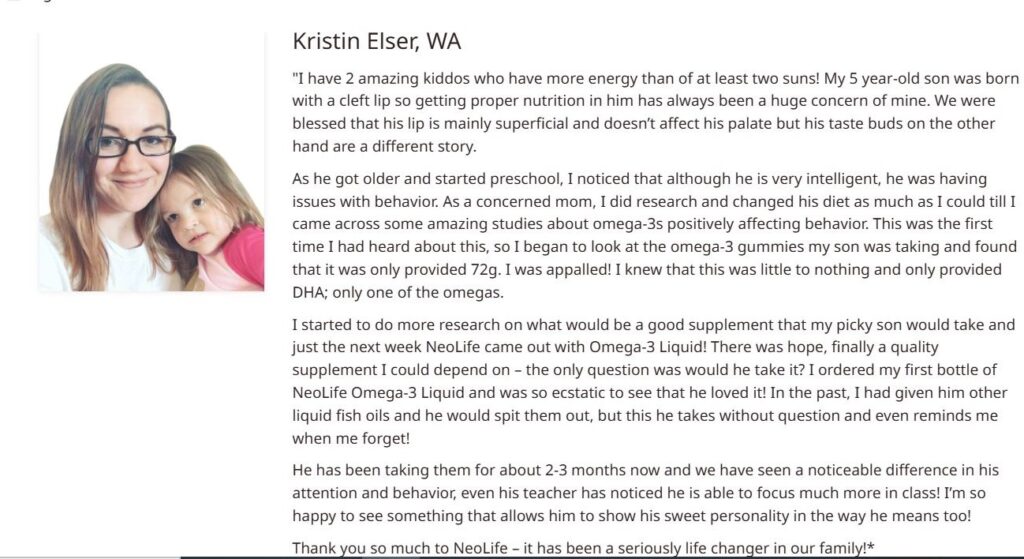
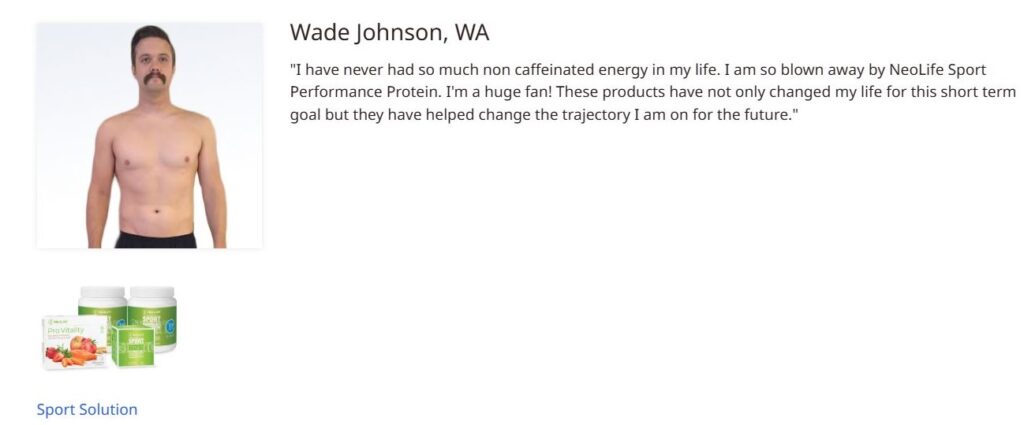
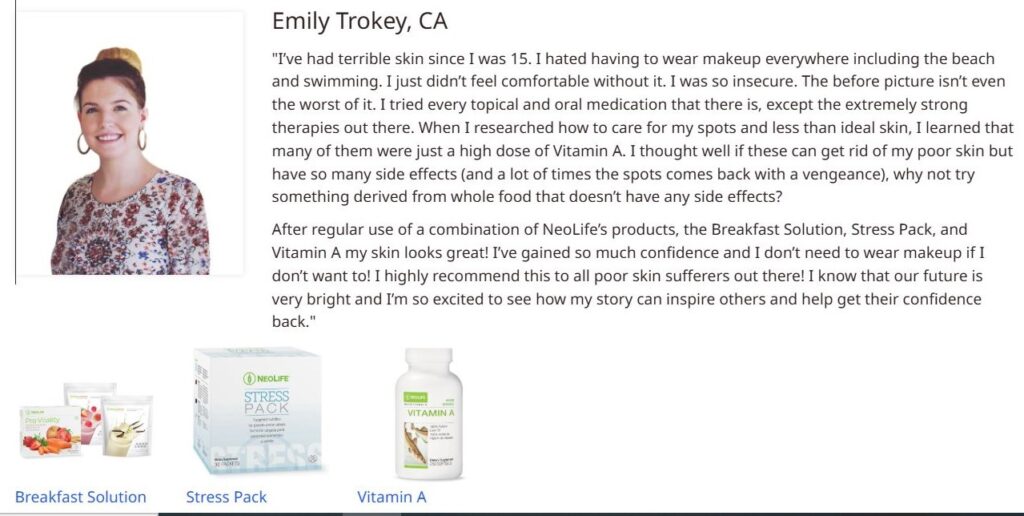
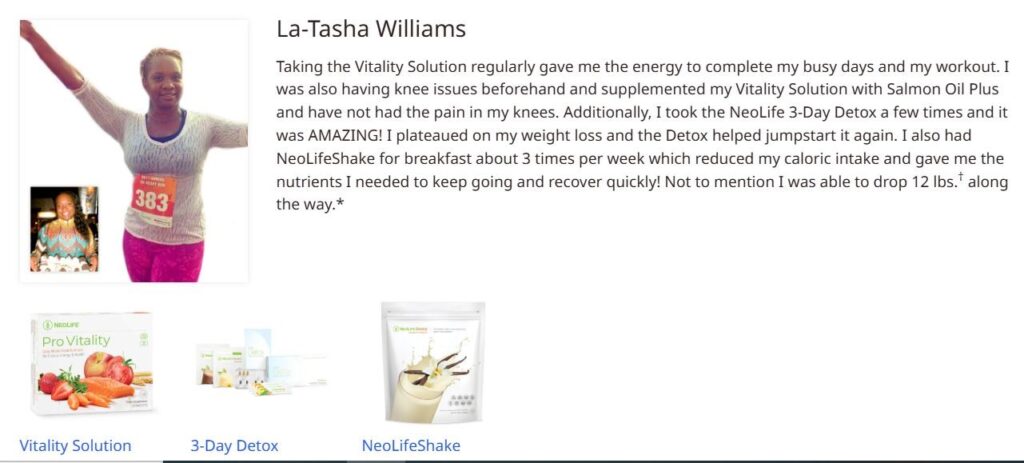

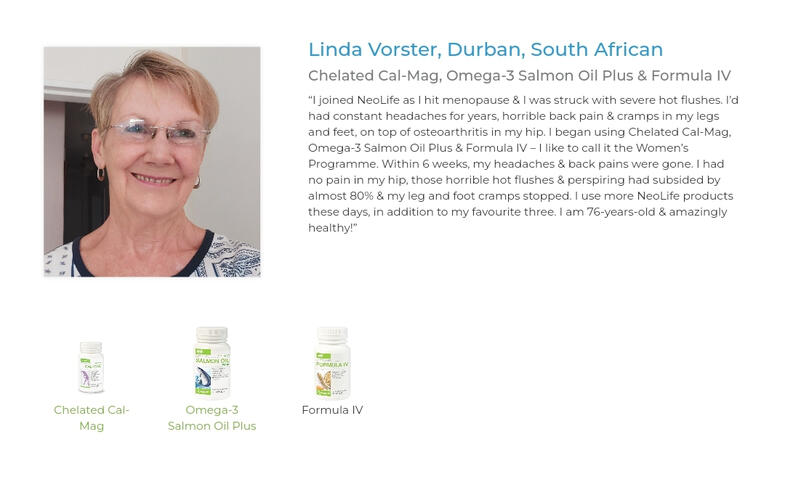
When you choose NeoLife, your health investment also fuels global good. A generous percentage of profit from every product sold is allocated toward funding the NeoLife Family Foundation’s philanthropic outreach, providing nutrition and hope to children and families in need around the world.
NeoLife also sponsors top athletes from around the world with a variety of products from muscle-repairing protein, daily whole food nutrition to inflammation balancing nutritionals. NeoLife nutritionals power these athletes to hit their high performance goals.
👉 Explore the NeoLife Vitamin Range – where nature’s blueprint meets pharmaceutical-grade science.
💡 Want the Full Story? Join Our Inner Circle.
If you loved this deep dive into the science, there’s more where that came from.
Join the Wellness Intelligence Hub — our private Skool community where we break down the heavy stuff, making science-based wellness clear and actionable. This is where nature and science come together to cut through the noise.
Inside, you’ll get:
- Exclusive deep-dives into clinical studies (like the VITACOG and AREDS trials).
- “Ask Me Anything” sessions with health experts.
- A trusted community of people who value evidence over marketing.
👇 Become a member today and take control of your health intelligence:
🔗 Join the Wellness Intelligence Hub
🔗 Continue Your Education:
- The Sunshine Vitamin: What is the Best Vitamin D Supplement? A Science-Backed Guide.
- Vitamin C Benefits: More Than Just Preventing Scurvy
- The Power of Vitamin C — Protecting Smokers and Those Exposed to Smoke.
References
- Centers for Disease Control and Prevention. (2019). Folic Acid Recommendations. Retrieved from
https://www.cdc.gov/ncbddd/folicacid/recommendations.html - Age-Related Eye Disease Study Research Group. (2001). A randomized, placebo-controlled, clinical trial of high-dose supplementation with vitamins C and E, beta carotene, and zinc for age-related macular degeneration and vision loss: AREDS report no. 8. Archives of Ophthalmology, 119(10), 1417–1436.
https://doi.org/10.1001/archopht.119.10.1417 - de Jager, C. A., Oulhaj, A., Jacoby, R., Refsum, H., & Smith, A. D. (2012). Cognitive and clinical outcomes of homocysteine-lowering B-vitamin treatment in mild cognitive impairment: a randomized controlled trial. International Journal of Geriatric Psychiatry, 27(6), 592–600.
https://doi.org/10.1002/gps.2758 - Carr, A. C., & Vissers, M. C. (2013). Synthetic or food-derived vitamin C—are they equally bioavailable?. Nutrients, 5(11), 4284–4304.
https://doi.org/10.3390/nu5114284 - Di Lorenzo, C., Dall’Asta, M., Colombo, F., et al. (2021). Antioxidant Efficacy of Phytonutrients in the Management of Metabolic Syndrome. Nutrients, 13(8), 2604.
https://doi.org/10.3390/nu13082604
Pingback: What is Magnesium Good For? Science-Backed Benefits & Best Forms