
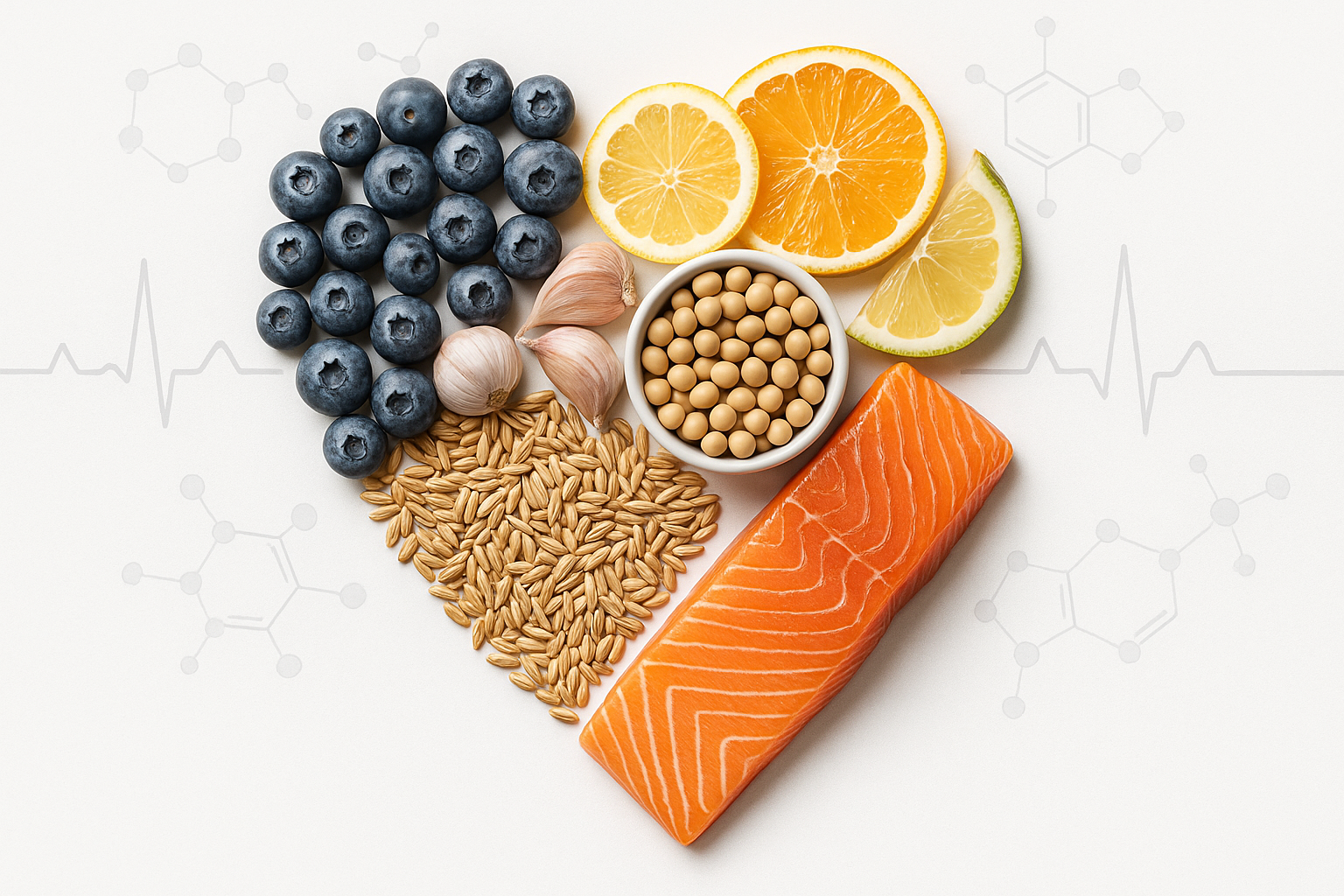
When it comes to cardiovascular health, diet is the non-negotiable foundation. But even with the best intentions, our modern diets often fall short. This nutritional gap is where heart healthy supplements can play a critical, science-backed role, moving from simple “insurance” to an active strategy for long-term wellness.
While many supplements make claims, our “Evidence First” approach demands we look at the clinical data. What does the research actually say about the ingredients that support a healthy heart?
This post explores the science behind five powerful categories of heart healthy supplements—from polyphenols and fibre to garlic and omega-3s—to show you how they work and what the studies reveal.
🔬 The Science: Polyphenols (Flavonoids & Anthocyanins)
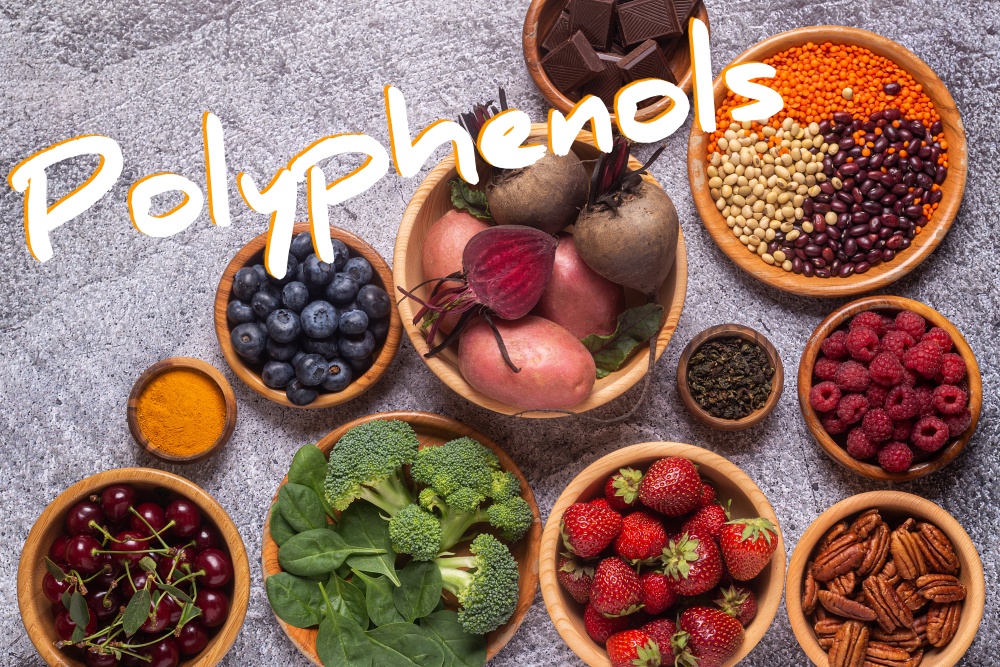
Polyphenols are powerful compounds found in plants, and their link to cardiovascular health is one of the most exciting areas of nutritional research.
A landmark study from the University of East Anglia (UK) and Harvard School of Public Health (USA) investigated this connection. The study followed 43,880 healthy women in the Health Professionals Follow-Up Study for 24 years.
The Insight: How Polyphenols Protect the Heart
The results were remarkable. Researchers found that individuals who consumed the highest amounts of foods rich in anthocyanins (a type of polyphenol) had a 14% lower risk of heart attack. In parallel, those with the highest intakes of flavanones (another type) had a 22% lower risk of ischemic stroke.
The proposed mechanism? These active compounds, found in foods like blueberries, cranberries, and citrus fruits, may help improve blood flow and inhibit platelet aggregation (the “clumping” of blood cells).
The Solution:
While eating a diet rich in colorful fruits is key, targeted supplements can ensure you get a consistent and diverse spectrum of these phytonutrients.
- NeoLife’s PhytoDefence and Flavonoid Complex are designed to provide a broad array of these powerful plant-based compounds.
🔬 The Science: The Undeniable Impact of Dietary Fibre
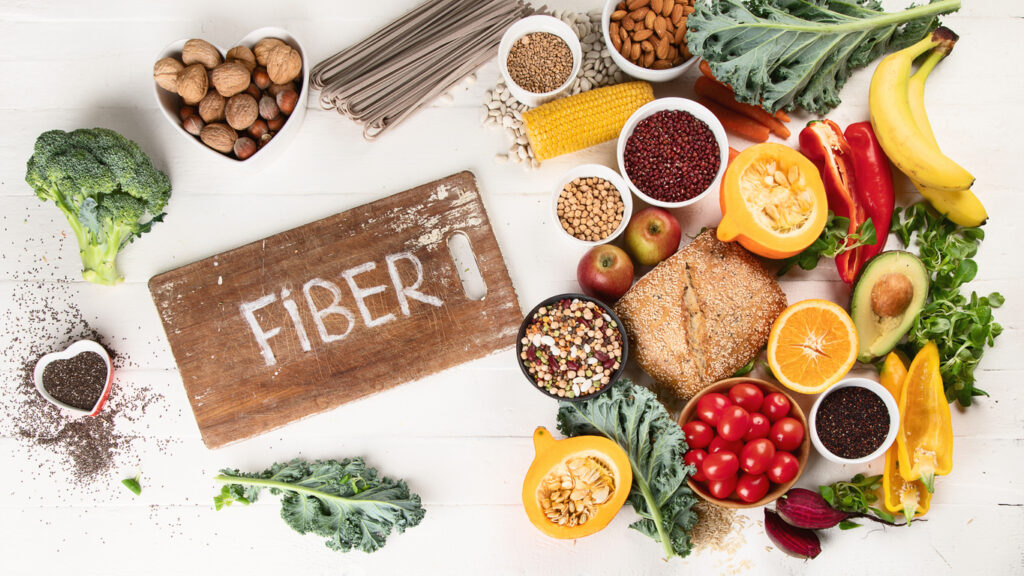
It’s long been known that high-fibre diets promote cardiovascular health, primarily by aiding in weight loss, lowering cholesterol, and improving hypertension.
But a study from Northwestern University showed just how profound this effect is. Researchers analyzed data from the National Health and Nutrition Examination Survey (NHANES), involving over 11,000 participants.
The Insight: Fibre as a Long-Term Risk Reducer
The findings were a powerful confirmation: participants (both younger adults aged 20-39 and middle-aged adults 40-59) with the highest fibre intake had a significantly lower lifetime risk of cardiovascular disease compared to those with the lowest intake.
The researchers concluded that starting a high-fibre diet now “could significantly improve long-term risk for heart problems”. This aligns perfectly with the American Heart Association (AHA), which recommends at least 25 grams of dietary fibre per day for adults—a target many people fail to meet.
The Solution:
Meeting this 25-gram goal can be challenging. NeoLife offers several solutions to help bridge this common nutritional gap.
- NeoLife’s Multi Fibre Blend, Fibre Tablets, NeoLifeBar, and NeoLifeShake are all formulated to provide high-quality fibre to support your daily intake and long-term heart health.
🔬 The Science: Soya Protein, E-selectin, and Leptin
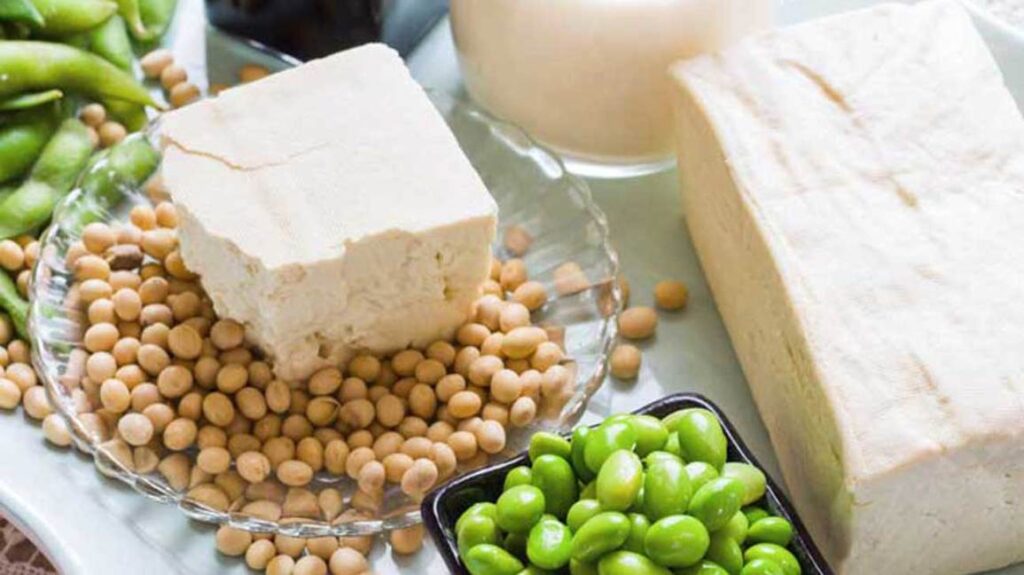
Soya protein is another powerful nutritional tool for cardiovascular health. A recent 8-week, randomized, double-blind, placebo-controlled trial published in the European Journal of Clinical Nutrition provided new insights into how it works.
The study compared the effects of a 40g daily supplement of soyabean protein against milk protein and a carbohydrate placebo.
The Insight: How Soya Improves Metabolic & Endothelial Function
The study found that soya protein supplementation was associated with significantly improved levels of two key biomarkers:
- E-selectin: A biomarker of endothelial (blood vessel lining) dysfunction. Lowering it suggests soya improves endothelial function.
- Leptin: A key hormone in metabolic signaling. Lowering it suggests soya may improve metabolic function.
This data corroborates previous studies showing soya is beneficial for reducing heart disease risk. One of the ways soya may act on LDL cholesterol is by increasing the size of the LDL cholesterol particles. This is a crucial benefit, as larger, “fluffier” LDL particles are associated with a lower risk of heart disease compared to small, dense LDL particles.
The Solution:
- NeoLifeShake is formulated with high-quality soya protein, providing an easy and delicious way to incorporate this heart-healthy ingredient into your daily routine.
🔬 The Science: Garlic for Blood Pressure and Cholesterol
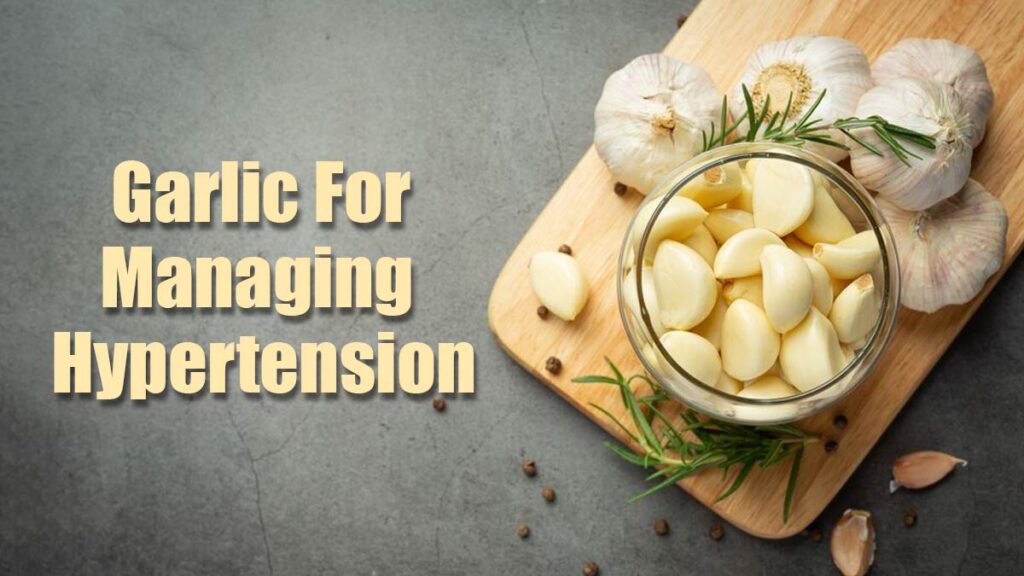
Garlic has been used for medicinal purposes for thousands of years, and modern science is finally validating its reputation. It is strongly associated with reduced cholesterol levels, blood pressure, and overall heart disease risk.
A recent meta-analysis of multiple randomized controlled trials confirmed the benefits of garlic supplementation, particularly for blood pressure.
The Insight: Garlic’s Measurable Results
The analysis found that supplementing with garlic (specifically in individuals with hypertension) resulted in a significant decrease in both systolic blood pressure (by an average of 8.7 mmHg) and diastolic blood pressure (by an average of 6.1 mmHg).
Furthermore, the report noted that treatment for longer periods (more than 12 weeks) was shown to be more effective in reducing total and LDL cholesterol. This data strongly suggests that garlic supplements can be a helpful addition to blood pressure and cholesterol treatments.
The Solution:
- Garlic Allium Complex is a whole-food supplement designed to deliver the active compounds from garlic in a highly concentrated, effective form.
🔬 The Science: The Homocysteine Connection (Omega-3s & B-Vitamins)
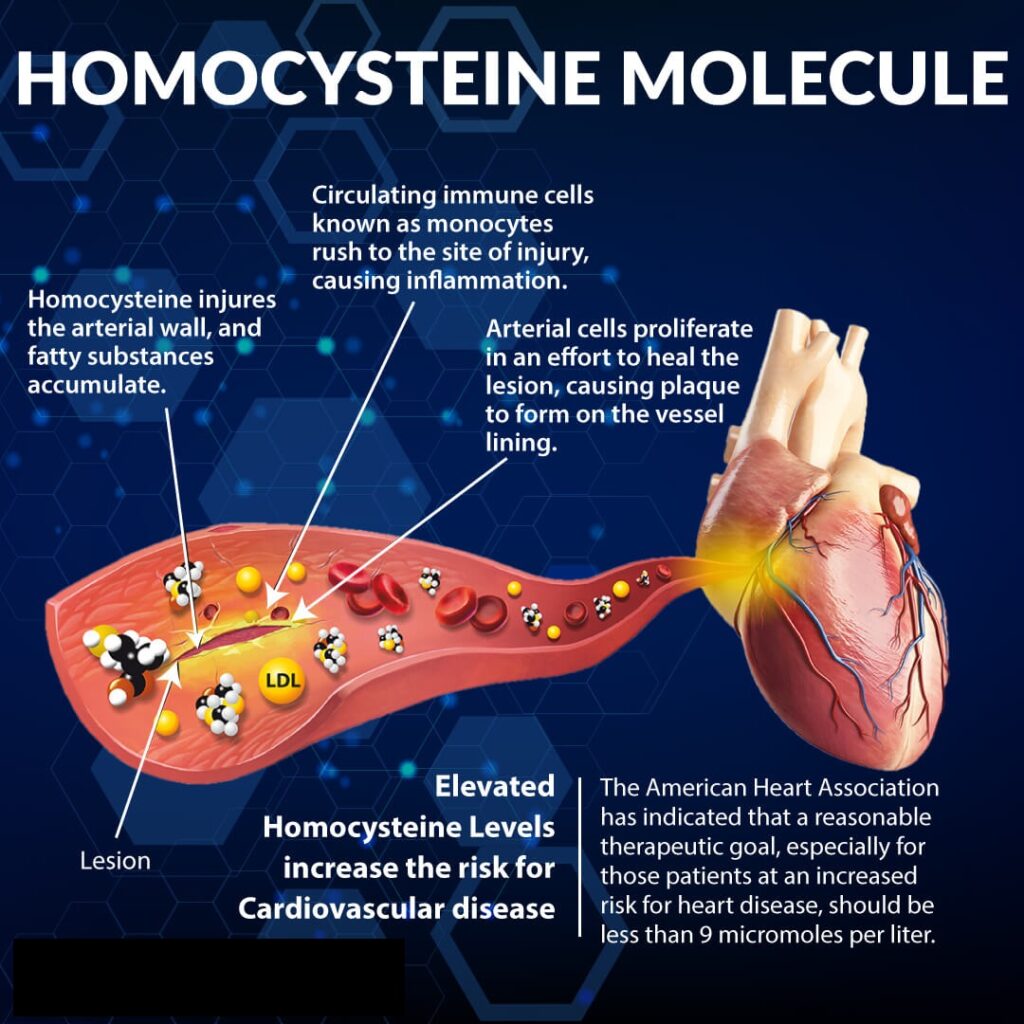
Finally, we come to a critical biomarker for heart risk: homocysteine. Homocysteine is an amino acid, and elevated levels are often associated with increased cardiovascular risk.
While researchers are still investigating the exact mechanism, it is thought that high homocysteine levels may be related to damaged arteries, which increases the risk for atherosclerosis.
The Insight: A Synergistic Solution to Homocysteine
The key to managing homocysteine appears to be a synergistic combination of nutrients. A pooled analysis of nine randomized trials, including 12,159 participants, looked at this very issue.
The analysis found a significantly greater homocysteine-lowering effect when participants were supplemented with both omega-3s and folic acid + vitamins B6 & B12 compared to those taking omega-3s alone. The researchers concluded that this powerful effect is likely attributed to the B-vitamins’ and Folic Acid’s critical role in homocysteine degradation (the body’s process for breaking it down).
The Solution:
This research highlights the need for a comprehensive, multi-nutrient approach.
- Pro Vitality provides a daily supply of Omega-3s.
- Vitamin B Co (SR) and Lipotropic Adjunct are specifically formulated with the B-vitamins and folic acid needed to support the body’s natural homocysteine degradation pathways.
Your Strategy for Cardiovascular Health
While no supplement can replace a healthy diet and lifestyle, the scientific evidence is clear. Targeted, high-quality, and science-backed heart healthy supplements can fill critical nutritional gaps and provide a powerful, active strategy for supporting your cardiovascular health.
📣 Call to Action
Stop trusting generic drugstore supplements that cut corners on purity and potency.
Choose traceable, science-backed nutrition with human clinical validation — the NeoLife way.
👉 Explore NeoLife’s Heart Health Range — Flavonoid Complex, Multi-Fibre Blend, Garlic Allium Complex, and Omega-3 Plus.
🔗 Also read:
- The Clean Supplement Quality Difference
- The Dirty Truth About Cheap Supplements
- The Ultimate Guide to Mitochondrial Health: Your Cellular Powerhouses Explained.
- Introducing Omega-3 Plus – The Same Powerful Benefits, Now More Sustainable.
References:
- A study by the University of East Anglia (UK) and Harvard School of Public Health (USA) on polyphenols, published in Circulation.
- A study by Northwestern University on fibre, analyzing data from the National Health and Nutrition Examination Survey (NHANES).
- A study on soya protein published in the European Journal of Clinical Nutrition.
- A recent meta-analysis and various randomized controlled trials on the effects of garlic on blood pressure and cholesterol.
- Pooled analysis of 9 randomized trials (12,159 participants) on omega-3s and B-vitamins, published in Atherosclerosis.
- Research by the Jean Mayer USDA Human Nutrition Research Center on Aging at Tufts University on soya.
- Recommendations by the American Heart Association (AHA) on fibre intake.

Pingback: The Cardiovascular Health System: A Science-Backed Guide to Support Your Heart
Pingback: The Latest in Women's Health and Nutrition: A Science-Backed Guide