If you’ve ever felt overwhelmed by the endless rows of nearly identical magnesium bottles on the supplement shelf, you’re not alone. The truth is, for women, the choice isn’t just about magnesium—it’s about choosing the best magnesium supplement for women that aligns with the unique, fluctuating demands of the female body.
The common advice to “just take magnesium” misses a critical point. In an industry often called the “Wild West,” most supplements are generic, poorly absorbed, and fail to address the specific biochemical reasons why a woman needs magnesium in the first place.
This guide cuts through the confusion. We’re not here to sell you a product; we’re here to educate you on the science of magnesium in women’s health, so you can make an empowered decision. Let’s begin by understanding the scale of the problem.
What Makes the Best Magnesium Supplement for Women?
The answer isn’t a single brand, but a combination of the right form, high bioavailability, and uncompromising quality standards tailored to female physiology. It’s about finding a supplement that acts as a strategic partner through every life stage.
The “Invisible Deficiency”: Why Women Are at Risk
Magnesium is not a passive player; it’s a linchpin in human physiology, involved in over 300 enzymatic reactions. It’s essential for DNA synthesis, cellular energy production (ATP), and the structural integrity of your bones and proteins.
For women, this is magnified. Magnesium is a critical modulator of the endocrine system, influencing the hypothalamic-pituitary-adrenal (HPA) axis, insulin sensitivity, and the metabolism of sex hormones like estrogen and progesterone.
The Insight: From the onset of menarche through pregnancy and into menopause, your body’s demand for magnesium shifts dramatically. Low levels are linked to a higher incidence of conditions disproportionately affecting women, including PMS, migraines, Polycystic Ovary Syndrome (PCOS), and osteoporosis.
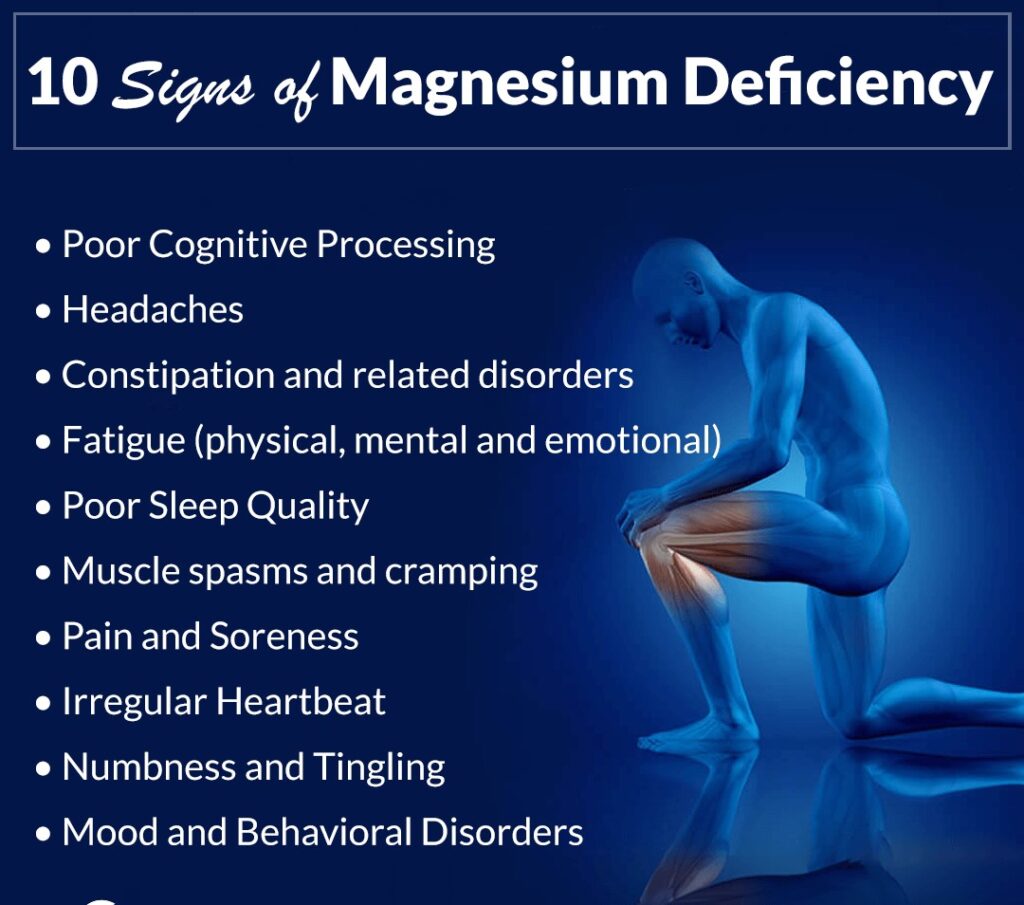
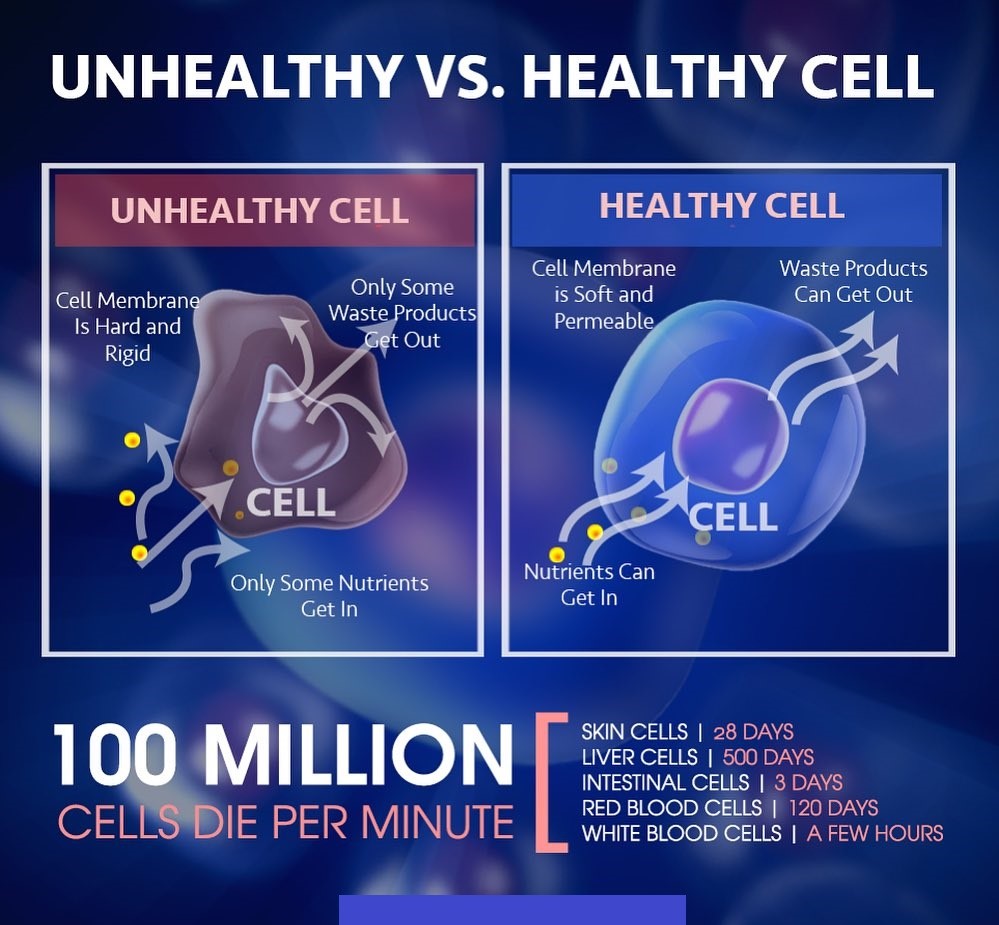
Despite its importance, magnesium deficiency is a silent epidemic. The modern diet, high in processed foods and refined carbohydrates, is depleted of magnesium. Compounding this, common medications, including oral contraceptives, can alter serum magnesium levels, creating a perfect storm for subclinical deficiency.
The first step is understanding how this deficiency manifests in your life. The next is learning how to address it with precision.
A Life-Stage Guide to Magnesium: Science, Insight, and Solution
1. For The Menstrual Cycle: Easing PMS, Cramps, and Supporting PCOS
The Science:
PMS & PMDD: A leading theory points to dysregulation of the calming neurotransmitter GABA and fluctuations in serotonin. Magnesium acts as a GABA-A receptor modulator and is a cofactor in the synthesis of serotonin from tryptophan. Deficiency leads to neuronal hyperexcitability, manifesting as anxiety, irritability, and insomnia in the luteal phase.
Dysmenorrhea (Cramps): Painful periods are driven by excessive uterine contractility from prostaglandins. Magnesium is a physiological calcium antagonist, competing with calcium for binding sites on uterine smooth muscle cells to induce relaxation and reduce cramping.
PCOS: Insulin resistance is a core driver of PCOS. Magnesium is a critical cofactor for the tyrosine kinase activity of the insulin receptor. Intracellular deficiency impairs insulin signaling, exacerbating hyperinsulinemia and the resulting ovarian androgen production.
The Insight: Your period shouldn’t be a monthly disaster. The bloating, mood swings, and debilitating cramps have a clear biochemical cause that can be nutritionally addressed, often without resorting to more drastic measures.
The Solution: This is where the form of magnesium is non-negotiable. Magnesium Glycinate is ideal here. Its high bioavailability ensures it gets where it needs to go, and the glycine amino acid provides an additional calming effect on the nervous system, directly targeting the neurological and muscular components of menstrual discomfort.
2. For Sleep, Stress, and Mental Wellbeing
The Science:
The HPA Axis Brake: Stress triggers magnesium excretion, and the resulting deficiency heightens HPA axis sensitivity, creating a vicious cycle of stress and mineral depletion. Magnesium suppresses the release of stress hormones like cortisol.
GABA and Sleep: Magnesium binds to GABA-A receptors, enhancing the inhibitory signaling that quiets the nervous system for sleep.
Depression & NMDA Receptors: Excessive activity of glutamate via NMDA receptors can lead to neuronal damage. Magnesium acts as a mild NMDA antagonist, protecting against this excitotoxicity, with meta-analyses showing it can significantly reduce depression scores.
The Insight: An overactive mind at night and a feeling of being “wired but tired” are often signs of a nervous system missing a key mineral to power down and repair.
The Solution: Again, Magnesium Glycinate is the superior form. Its gentle, highly bioavailable nature and the synergistic calming effect of glycine make it the go-to choice for restoring calm and improving sleep quality without any laxative effect.
3. For Fertility, Pregnancy, and Maternal Health
The Science:
Fertility & Implantation: Magnesium supports oocyte (egg) quality by providing energy (ATP) and acting as an antioxidant cofactor in the follicular fluid. It also promotes endometrial receptivity by supporting healthy angiogenesis (blood vessel formation).
Preeclampsia & Eclampsia: Intravenous magnesium sulfate is the gold-standard medical treatment for preventing eclamptic seizures. Its mechanisms include cerebral vasodilation, blood-brain barrier protection, and blocking NMDA receptors in the brain.
Fetal Neuroprotection: Administering MgSO₄ to mothers at risk of preterm birth (<32 weeks) is a proven strategy to significantly reduce the risk of cerebral palsy and gross motor dysfunction in the infant.
The Insight: Preparing for and growing a baby is the most metabolically demanding work your body will ever do. Magnesium is a non-negotiable guardian for both maternal well-being and fetal brain development.
The Solution: A gentle, well-absorbed blend is essential here to meet elevated needs without GI upset. A combination of Magnesium Glycinate and Citrate provides a safe and effective foundation. The citrate form offers high solubility and bioavailability for general repletion.
4. For Bone Health and Navigating Menopause
The Science:
The Estrogen Link: Estrogen facilitates magnesium absorption. Post-menopause, the drop in estrogen leads to a negative magnesium balance.
Bone Metabolism: Magnesium resides on the surface of bone crystals. Deficiency leads to larger, more brittle crystals prone to fracture. It also regulates the RANKL/OPG pathway, which controls bone resorption.
The Calcium-to-Magnesium Ratio: High-dose calcium supplementation in the presence of magnesium deficiency can be counterproductive, potentially leading to soft tissue calcification. A balanced ratio (closer to 2:1) is crucial for directing calcium to the bones.
The Insight: Taking high-dose calcium for bone health without sufficient magnesium is like trying to build a house without enough workers. The materials are there, but they aren’t used correctly, and can even cause problems elsewhere.
The Solution: Maintaining an optimal calcium-to-magnesium ratio is key. A highly bioavailable magnesium supplement ensures your bone-building efforts are effective and safe.
Why Your Magnesium Form is The Most Important Factor
The clinical efficacy of magnesium is entirely dependent on its chemical form. Bioavailability—how much your body can actually absorb and use—varies wildly. This is why the search for the best magnesium supplement for women must begin with bioavailability.
Magnesium Glycinate (Chelated): Highly bioavailable and gentle on the stomach. The gold standard for calming, sleep, and stress support.
Magnesium Citrate: Well-absorbed and soluble. Often used for general repletion and has a mild osmotic effect in the intestines.
Magnesium Oxide: Has a high elemental magnesium content but very poor bioavailability (~4%). Primarily used for its strong laxative effect.
The Ideal Choice: A strategic blend that leverages the strengths of multiple forms provides comprehensive support without compromising on absorption or tolerability.
Introducing NeoLife Magnesium Complex: The Evidence-Based Choice
This is where our “Educators, not Sellers” mission meets its logical conclusion. Having understood the science, the choice becomes clear. This strategic blend is what sets NeoLife apart in the search for the best magnesium supplement for women.
NeoLife Magnesium Complex is formulated with a Tri-Mag Blend specifically designed to overcome the limitations of single-form supplements:
Double Amino Acid Chelated Magnesium (Glycinate): For superior absorption and targeted neurological and muscular calm.
Tri-Magnesium Citrate: An organically-bound, highly bioavailable source for efficient cellular energy production.
Magnesium Oxide: Used strategically within the blend to contribute to the total elemental magnesium content.
Furthermore, it includes a PhytoMag Blend of whole-food concentrates (Beetroot, Kale, Broccoli, Radish), honoring the principle that nutrients are best delivered in a food-state matrix for optimal synergy.
The NeoLife Quality Difference: Your Assurance of Purity and Potency
But even the perfect blend is only as good as the standards behind it. In a world of contaminated and under-dosed supplements, NeoLife’s quality controls are your safeguard.
Pharmaceutical License for Manufacturing: NeoLife owns and operates state-of-the-art facilities that hold actual Pharmaceutical Licenses from stringent bodies like the TGA of Australia. Their processes are audited to drug-grade standards, ensuring unparalleled purity, potency, and safety in every tablet.
Clinically Proven with Human Studies: NeoLife invests in the highest level of validation—human clinical studies published in prestigious journals—to prove their products deliver real-world benefits, moving beyond the animal and yeast studies common in the industry.
Full Traceability & Non-GMO: With a 10-step “Farm to Table” traceability program and a verified Non-GMO pledge, you know exactly what you’re putting into your body. There are no hidden fillers, artificial ingredients, or unknowns.
Conclusion: Make an Informed Choice for Your Health
Choosing a supplement is an act of trust. You are trusting a company with your most valuable asset: your health.
The evidence is clear: for women facing the unique health challenges of the 21st century, a highly bioavailable, well-formulated magnesium supplement is not a luxury; it’s a foundational component of cellular health.
If you are ready to address the root cause of your fatigue, stress, poor sleep, or hormonal imbalances with a magnesium supplement you can trust, the path forward is clear.
🔗 Ready to Experience the Difference?
Choose the supplement that is as sophisticated as your biology.