
What are minerals and why do we need them?
It’s one of the simplest questions in nutrition — yet one of the most misunderstood. Minerals are not optional, secondary nutrients. They are the master regulators of human biology. They build our bones, charge our nerves, power our muscles, activate enzymes, support our immune system, and maintain the internal chemistry that keeps us alive every second.
For thousands of years, humans got their minerals naturally from whole foods grown in mineral-rich soils. But in the modern world, this natural balance has fractured. Processed foods, depleted soils, stress, medications, and lifestyle factors have created a widespread mineral gap — a gap with real consequences for energy, immunity, metabolism, and long-term health.
This post breaks down exactly what minerals are, why they matter, why so many people are quietly deficient, and how to strategically restore what the modern diet no longer supplies.
🔬 What Minerals Actually Are — and Why They Are Non-Negotiable
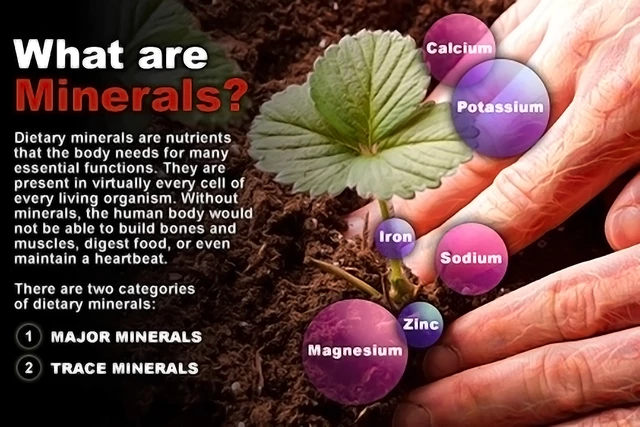
Minerals are elemental substances originating from the earth. They cannot be made by the body. They must come from plants, animals, or supplements — and they must come daily.
Your body uses minerals to:
- build bone and connective tissue
- regulate muscle contraction and heartbeat
- maintain fluid balance
- activate enzyme systems
- support nerve signaling
- produce energy
- manage hormonal pathways
- protect cells and DNA
This is why even slight imbalances can disrupt major biological functions.
The body has no backup plan when minerals are missing. And yet — for reasons below — the modern world makes these deficiencies incredibly common.
⚠️ The Mineral Gap — How Our Modern World Creates Silent Deficiency
Seven major forces are driving widespread mineral deficiency today. None of these existed for most of human history.
1️⃣ Soil Depletion: Minerals Are Missing Before Food Is Even Grown
Different regions have different soil composition — and many are naturally low in key trace minerals.
Examples include:
- copper-poor soils in Oregon, Florida, and the Mid-Atlantic
- iodine-poor soils across the Great Lakes and Northwest
- phosphorus-short soils in the Southwest
Plants grown in mineral-depleted soils simply cannot supply the minerals humans require — no matter how “fresh” or “organic” they appear.
2️⃣ Food Processing: Refining Removes the Good Stuff
Modern processing aggressively strips minerals from foods:
• Milling grains removes mineral-dense layers
• Canning reduces mineral levels when liquids are discarded
• Cheese-making discards calcium and phosphorus
• Sugar refining removes almost every natural mineral
The more “convenient” our food becomes, the less mineral-rich it is.
3️⃣ Interference With Absorption: Eating Minerals ≠ Absorbing Them
Even when minerals are present in food, absorption is not guaranteed.
Several natural compounds interfere:
- oxalates (spinach, rhubarb) → block calcium
- phytates (whole grains) → block iron and zinc
- goitrogens → block iodine
- excessive fiber → reduces total mineral uptake
- one mineral in excess → blocks another
So deficiency can occur even with “healthy” diets.
4️⃣ Stress & Lifestyle: Minerals Are Burned Up Faster Than They’re Replaced
Modern stress increases urinary loss of:
- magnesium
- zinc
- calcium
- potassium
- phosphorus
Alcohol consumption accelerates mineral excretion. Sedentary habits reduce efficient mineral utilization. Chronic stress is a mineral thief.
5️⃣ Medications: Common Drugs Deplete Key Minerals

Many everyday medications interfere with mineral metabolism, including:
- antacids
- diuretics
- laxatives
- some cholesterol-lowering medications
For older adults, this is especially problematic.
6️⃣ Low-Calorie and Restrictive Diets
People avoiding dairy, whole grains, or eating low-calorie diets frequently remove the richest mineral sources from their meals — without replacing them.
7️⃣ At-Risk Populations
Certain groups need more minerals than average:
- athletes
- pregnant women
- the elderly
- strict vegetarians
- chronic dieters
Without strategic intervention, deficiency is almost inevitable.
🧠 The Consequences: What Mineral Deficiency Actually Looks Like in the Body
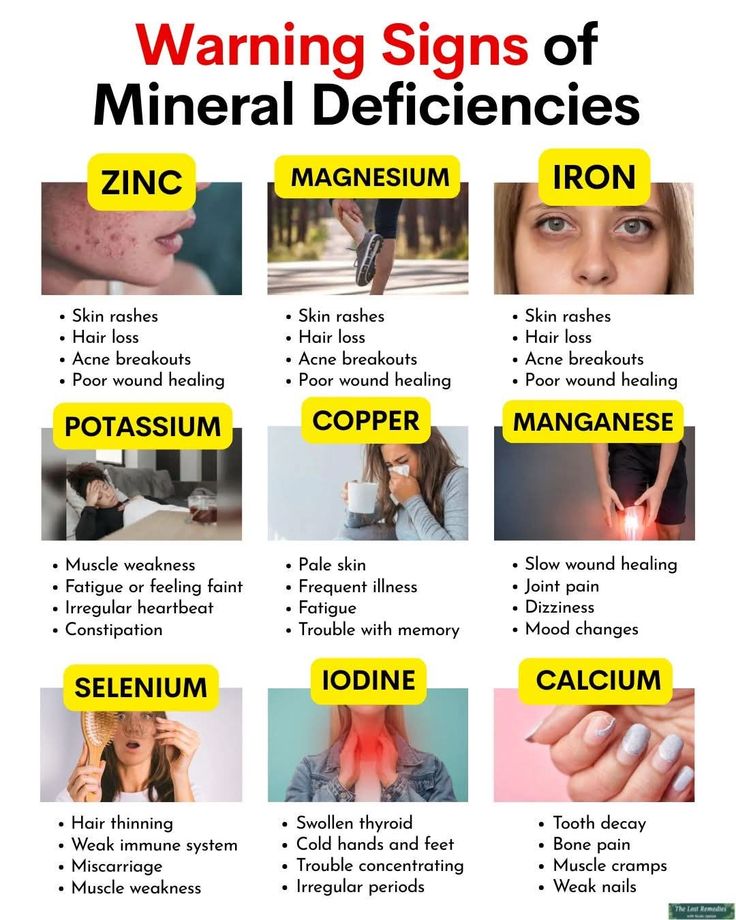
Mineral shortages show up in clear, consistent physiological patterns.
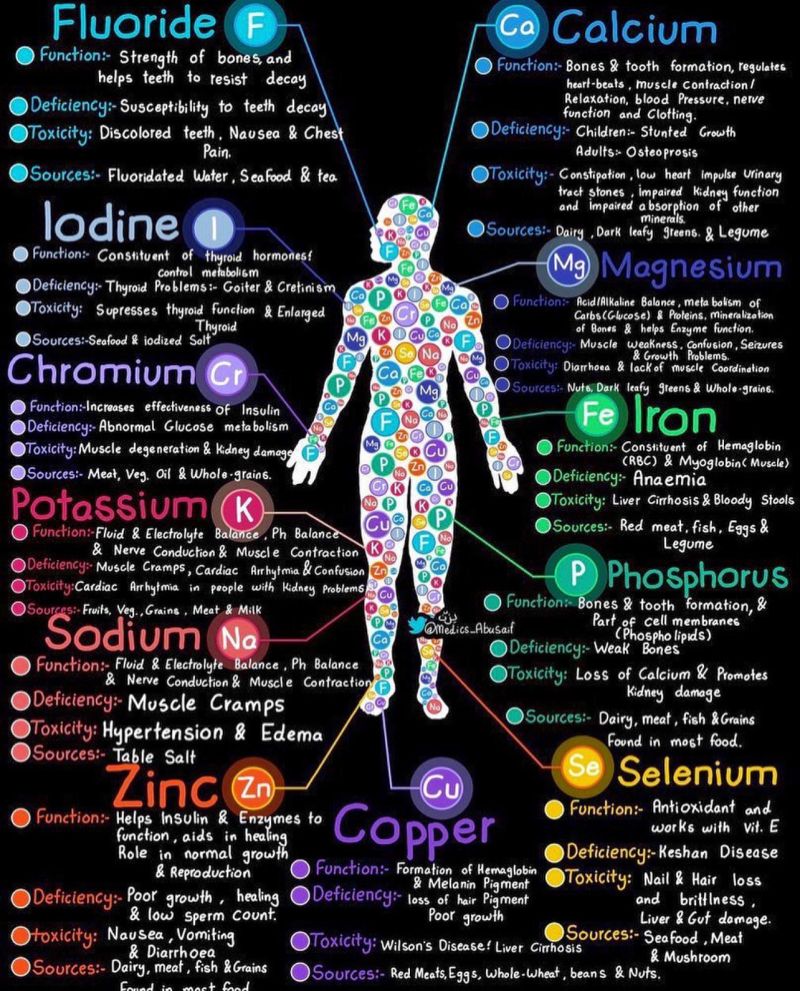
Calcium deficiency can cause cramps and abnormal heartbeat.
Iron or copper deficiency can result in anemia and low oxygen transport.
Magnesium deficiency influences appetite, mood, and neuromuscular stability.
Iodine deficiency disrupts thyroid hormone production.
Selenium deficiency impairs cellular protection.
Zinc deficiency affects immunity and growth.
Potassium imbalance can trigger cardiovascular abnormalities.
The takeaway is simple:
➡️ Every cell in your body depends on an optimal supply of minerals.
➡️ No single mineral can replace another.
➡️ Balance matters as much as intake.
That balance is increasingly hard to achieve through diet alone.
🔎 The Solution: Delivering Minerals the Way the Body Actually Uses Them
It’s not about consuming minerals — it’s about absorbing them.
Most cheap supplements use mineral salts that:
- irritate the digestive tract
- have poor bioavailability
- compete with each other for absorption
- remain unavailable at the cellular level
NeoLife’s approach solves this through three scientifically critical strategies.
1️⃣ Boosting Absorption With Synergistic Nutrients
Certain vitamins dramatically improve mineral uptake.
Examples:
- Vitamin C → improves calcium absorption
- Vitamin D → enhances total mineral utilization
- Betaine HCl → supports digestibility
These co-factors transform mineral uptake from “possible” to “effective.”
2️⃣ Using High-Purity Natural Sources (Not Contaminated Mineral Salts)
Wherever possible, NeoLife sources minerals from clean, natural origins:
- calcium carbonate from organic seashells
- iodine from kelp
By contrast, mined minerals can contain impurities including:
• lead
• arsenic
• mercury
• aluminum
Starting with purer ingredients results in a purer end product — a non-negotiable principle for human health.
3️⃣ The Breakthrough: Amino Acid Chelation (The Body’s Preferred Delivery System)

This is the game changer.
When minerals dissolve into positive ions, they bind to intestinal walls and fail to reach the bloodstream.
Amino acid chelation:
- wraps minerals in amino acids
- neutralizes their charge
- enhances stability
- improves transport
- increases absorption up to 6×
NeoLife’s Scientific Advisory Board — under Dr. Arthur Furst — helped pioneer this technology decades ago, long before it became popular in mainstream nutrition.
Chelation delivers minerals in a form the body recognizes as food, not as industrial salts.
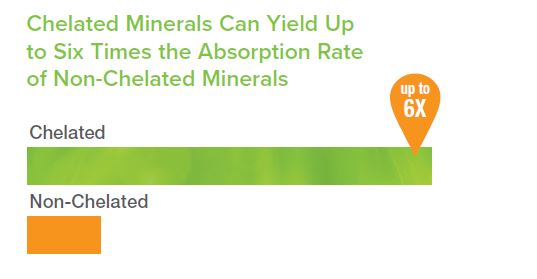
This is why NeoLife minerals are uniquely effective at replenishing the mineral gap the modern world creates.
🩺 Science Over Shelf Hype
Most drugstore “mineral supplements” are nothing more than rock powders and cheap salts. They offer:
• low absorption
• questionable purity
• poor bioavailability
• zero synergy with human biology
• zero meaningful testing
NeoLife’s Mineral Range is different — and the distinction is scientific, not cosmetic.
✨ Whole-food principles
✨ Pharmaceutical-grade manufacturing
✨ High-purity natural sources
✨ Clinically relevant formulations
✨ Scientifically validated chelation technology
If you’re done rolling the dice on generic bottles, it’s time to choose mineral nutrition your body can actually use.
👉 Explore NeoLife’s Mineral Range — Multi-Min, Cal-Mag, Magnesium, Zinc— where purity meets performance.
🌱 A generous percentage of profit from every product sold is allocated toward funding the NeoLife Family Foundation’s philanthropic outreach.
Learn more: https://www.neolifefamilyfoundation.org/
🔗 Also read:
• The Quality Difference: Why “Clean, Clinically Proven” Supplements Win.
• From “Insurance” to “Investment”: The New Science of Multivitamins and Memory.
References
- DiNicolantonio, J. J., & O’Keefe, J. H. (2018). Magnesium for the prevention and treatment of cardiovascular disease. Open Heart, 5(2), e000775.
- Marles, R. J. (2017). Mineral nutrient composition of vegetables, fruits and grains: The context of reports of historical declines. Journal of Food Composition and Analysis, 56, 93-103.
- Jones, G. (2024). Soil degradation: the silent global crisis. Soil Atlas 2024. Heinrich Böll Stiftung.
- Gemede, H. F. (2023). A review of anti-nutritional factors in plant-based diets: effects on mineral bioavailability and health. Frontiers in Nutrition, 10, 1198535.
- Mohn, E. S., et al. (2024). Evidence of Drug-Nutrient Interactions with Chronic Use of Commonly Prescribed Medications: An Update. Pharmacological Research, 199, 107015.
- Wang, Z., et al. (2024). Impact of Low-Dose Amino Acid-Chelated Trace Minerals on Performance, Antioxidant Capacity, and Fecal Excretion in Growing-Finishing Pigs. Animals, 15(9), 1213.
Pingback: What is Magnesium Good For? Science-Backed Benefits & Best Forms