
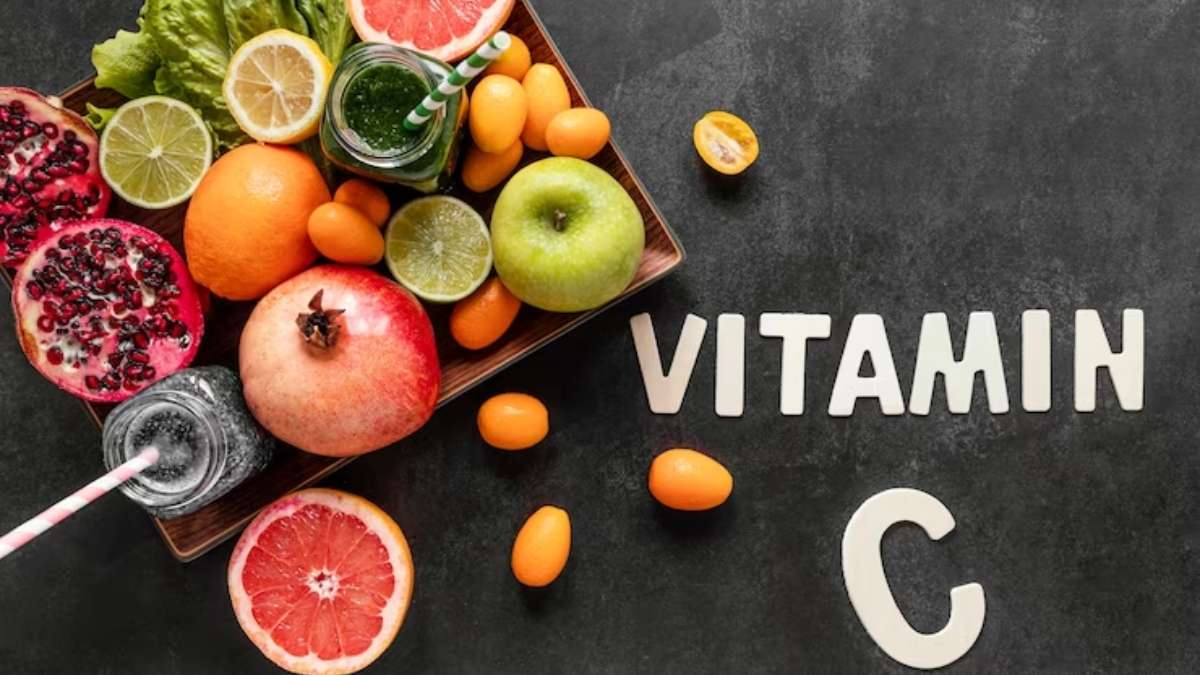
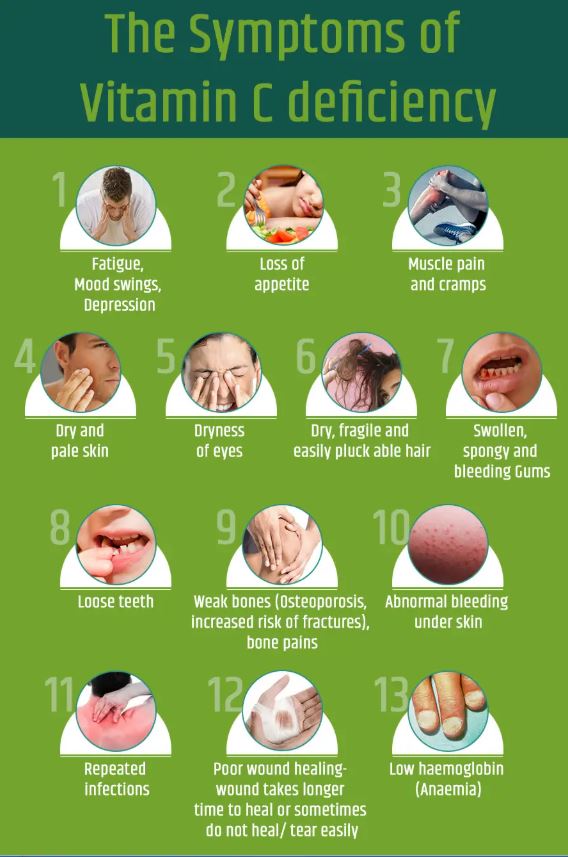
What is Vitamin C good for? For most of history, the answer was simple: preventing scurvy. Around 450 B.C., the Greek physician Hippocrates first described the symptoms of this severe deficiency: bleeding gums, tooth loss, fragile bones, and muscle pain. This scourge, which caused fatigue, poor wound healing, and sudden death, was infamous among sailors on long voyages who lacked fresh fruits and vegetables.
By 1795, the British Royal Navy mandated lime juice for its sailors, earning them the nickname “limeys”. But it wasn’t until 1933 that scientists synthesized Vitamin C (ascorbic acid) and proved it was the cure.
Today, the Recommended Dietary Allowance (RDA) of 60-90 mg is based on this historical context—it’s the amount you need to prevent full-blown scurvy. But modern science shows that “preventing deficiency” and “promoting optimal health” are two very different things.
The research is clear: Vitamin C is one of the most powerful and essential nutrients for modern health, with benefits touching everything from your immune system and your heart to your stress response and your skin. This post explores the deep science of Vitamin C, how much you really need, and how to get a form your body can actually use.
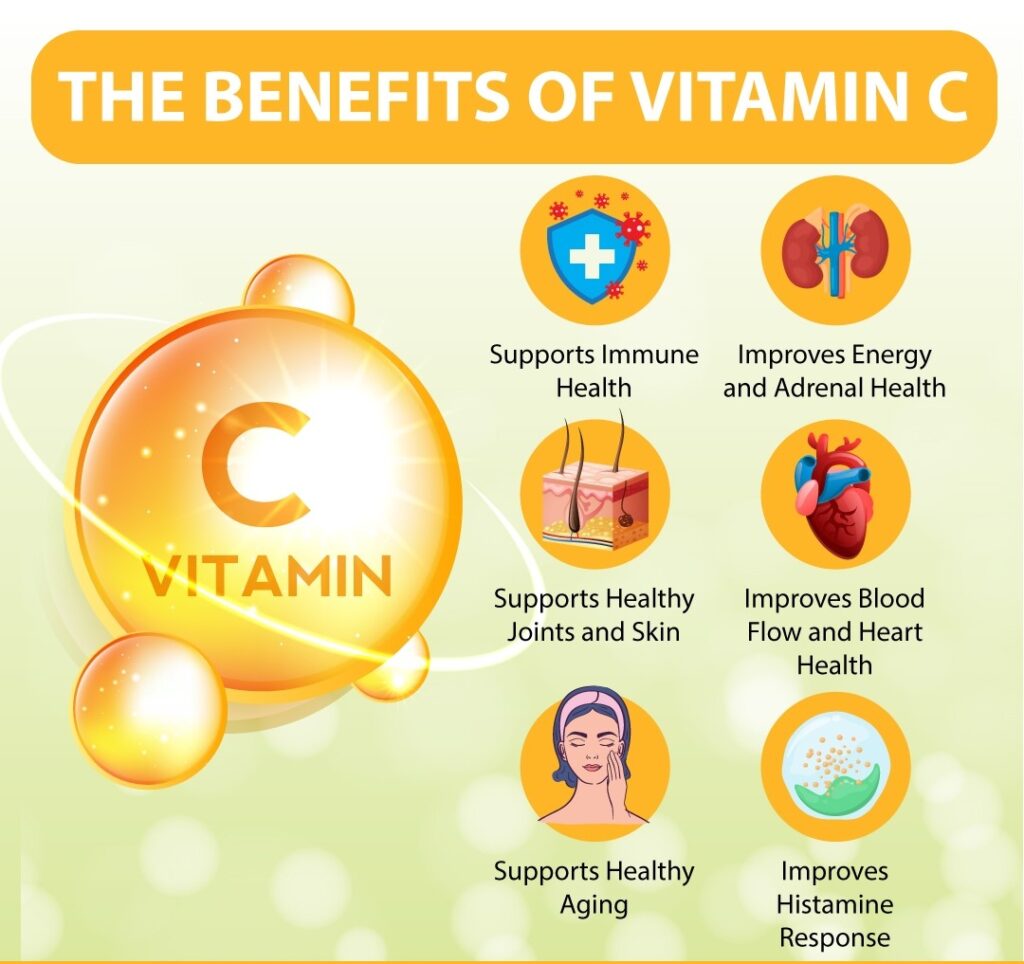
What is Vitamin C Good For? Beyond Scurvy
Since Nobel Prize winner Linus Pauling published his 1970 book Vitamin C and the Common Cold and the Flu, a flurry of research has confirmed dozens of critical roles for Vitamin C in the human body. It is not just a single-task nutrient; it is a foundational component of your body’s entire operating system.
The Body’s Master Water-Soluble Antioxidant Your body is under constant attack from free radicals—reactive and destructive molecules generated by sunlight, smog, cigarette smoke, pesticides, and even your own metabolism. These free radicals damage cells, increase the risk of disease, and accelerate aging.
To fight this, your body uses an “antioxidant defense team”.
- Vitamin E and Carotenoids are fat-soluble, protecting the lipid portions of your cells (like the all-important cell membrane).
- Vitamin C and Flavonoids are water-soluble, protecting your body fluids (like blood) and the watery portions of your cells.
Vitamin C is the star player on this team. It neutralizes free radicals in your body’s watery regions and helps regenerate oxidized Vitamin E, getting your body’s main fat-soluble antioxidant back in the fight.
Collagen Production: The Body’s “Mortar” Vitamin C is required to form collagen, the major protein of your connective tissue, cartilage, and bone. Collagen makes up more than half of all the protein in your body, giving skin its elasticity and binding cells together in organs, “much as mortar bonds bricks”. If you have a deficiency, you see it in bleeding gums, fragile bones, and poor wound healing—all classic symptoms of scurvy.
Your Immune System Why does one person get sick while another stays well? The strength of the immune system is a key factor, and Vitamin C is a critical nutrient for bolstering it. It has been shown to strengthen immunity by stimulating the production of antibodies and the activity of white blood cells.
While it may not prevent you from catching a cold, research shows that Vitamin C may reduce the duration of a cold by about a day and lessen the severity of symptoms like coughing, fever, and runny nose.
What is Vitamin C Good for in the Heart? Vitamin C deficiency is a known risk factor for coronary heart disease. A diet rich in Vitamin C is essential for protecting your entire cardiovascular system.
- One major study found that men who were deficient in Vitamin C were three times more likely to have a heart attack than men who were not.
- A good Vitamin C status may cut your risk of a stroke in half.
- Higher-than-RDA intakes have been linked to lower risks of cardiovascular disease, increases in “good” HDL cholesterol, and decreases in artery-clogging “bad” oxidized LDL cholesterol and blood pressure.
Cancer Risk and Oxidative Damage While a poor diet can raise your cancer risk, a good diet may lower it. Fruits and vegetables are loaded with Vitamin C, and more than 130 scientific studies have documented their anti-cancer effects. Population studies consistently show that a diet rich in Vitamin C is linked to a lower risk of cancer. In fact, low intakes are associated with a two-fold increase in the risk of cancers of the breast, cervix, esophagus, lung, mouth, pancreas, and stomach.
Vision and Eye Health (Cataracts) Long-term exposure to sunlight is a major risk factor for cataracts, the world’s leading cause of blindness. Free radicals from sunlight can damage the proteins in the eye’s lens, causing them to cloud.
To protect itself, your body concentrates Vitamin C in your lens tissue to a level 20 times higher than in your blood. A Harvard study of over 120,000 nurses found that women who had taken Vitamin C supplements for at least 10 years had a 45% lower risk of cataracts.
Stress, Energy, and Brain Function Vitamin C is essential for your mind and mood. It is especially concentrated in the adrenal glands, which produce hormones in response to all types of stress: physical, mental, and emotional. When you are stressed, these high levels of Vitamin C are depleted.
It is also required to make:
- Carnitine: A key agent in human metabolism and energy production.
- Neurotransmitters: Including epinephrine, norepinephrine, and serotonin.
The “Helper” Nutrient: Folic Acid and Iron Vitamin C doesn’t just work as an antioxidant; it also functions as a critical “helper” for other nutrients. It is required to convert folic acid (a B-vitamin) into its active form in the body. It is also necessary for the absorption, transport, and storage of iron.
The Vitamin C “Gap”: How Much Do You Really Need?
If Vitamin C is this important, how much do we actually need?
As we’ve seen, the U.S. RDA of 60-90 mg was designed simply to prevent scurvy. But many researchers believe this is far too low for optimal health. In fact, many of the world’s leading nutritionists take between 500 and 1,500 mg of Vitamin C each day in their personal health programs, as these are the levels that seem to offer the most benefits.
The problem is that most people are not getting anywhere near this amount. There is a massive “Vitamin C Gap” in our modern diet.
Why You Are Almost Certainly Deficient Humans are one of the few species on Earth that cannot make their own Vitamin C (along with other primates and guinea pigs). We must get a steady supply from our diet.
This is a challenge for two reasons:
- It’s Water-Soluble: Vitamin C cannot be stored in the body for long periods. You must replenish it every single day.
- It’s Extremely Fragile: Vitamin C is easily oxidized and destroyed during food harvesting, transportation, storage, processing, and cooking. The Vitamin C in “fresh” green beans, for instance, can deteriorate 50% in the week between harvest and purchase.
Because of this, most people are not getting enough. Data shows that 59% of Americans do not consume the RDA for Vitamin C. And that’s just the low RDA amount to prevent scurvy, not the optimal amount for health. Furthermore, data from the NHANES II survey shows nearly half of all Americans eat NO fruit and one-quarter eat NO vegetables on any given day.
Many lifestyle factors create an above-average need for Vitamin C, including stress, illness, allergies, and exposure to pollution. Smokers, in particular, have depleted levels and are recommended to get 0.5 to 2 grams (500 – 2,000 mg) of Vitamin C daily.
The Solution: A Smarter, More Bioavailable Vitamin C
Given the fragility of Vitamin C and our inability to store it, how can we effectively bridge this “gap”?
Simply taking a generic, high-dose 1,000 mg tablet of synthetic ascorbic acid is not the answer. Your body can’t absorb that much at once, and most of it is wastefully flushed from your body.
The “Evidence First” solution must mimic nature.
Proof: The 35% Bioavailability Advantage In nature, Vitamin C is not found in isolation. It exists in whole foods (like oranges, rose hips, and acerola cherries) as a complex, surrounded by “partner nutrients” called bioflavonoids. These partners work synergistically to improve bioavailability.
This isn’t just a theory; it’s been clinically proven. A landmark study published in the American Journal of Clinical Nutrition found that Vitamin C from a citrus extract—which included its natural flavonoid partners—was absorbed 35% better than synthetic Vitamin C alone.
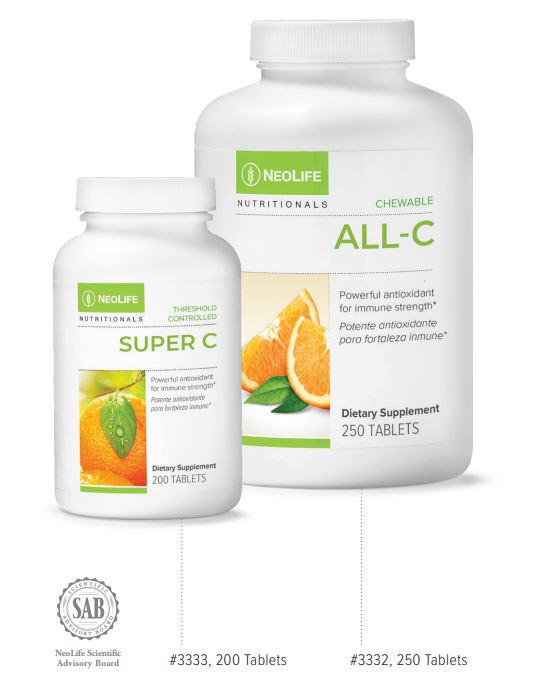
The NeoLife Difference: Whole-Food & Sustained Release NeoLife’s Vitamin C supplements were designed to solve the two biggest problems with this nutrient: bioavailability and storage.
1. The Neo-Plex Concentrate (For Bioavailability): Instead of just synthetic ascorbic acid, NeoLife’s formulas are built on the Neo-Plex Concentrate. This is a whole-food complex that contains virtually everything from whole oranges except the water: juice, flavedo, mesocarp, endocarp, protopectins, and bioflavonoids.
This is then combined with other Vitamin C-related factors and nature’s richest sources, including rose hips and acerola cherries, plus the bioflavonoids rutin and hesperidin. This ensures the Vitamin C is delivered in a natural, highly-bioavailable context your body recognizes.
2. Sustained Release Technology (To Solve the Storage Problem): Because your body can’t store Vitamin C, a single large dose is wasted. NeoLife’s Vitamin C Sustained Release solves this. It has been formulated to release its high-potency (500 mg) dose gradually, over six hours or more. This mimics the natural, slow intake you would get from eating fruit all day, keeping your blood levels of Vitamin C high and ensuring no part of that precious nutrient is wasted.
For those who prefer a chewable option, Chewable All-C provides the same Neo-Plex Concentrate, rose hips, and acerola cherries in a delicious form, with the potency of 4 small oranges in every tablet.
🩺 Science Over Shelf Hype
Most $15 drugstore Vitamin C pills are 100% synthetic ascorbic acid, compressed into a tablet that your body can’t fully absorb. They’re missing the essential flavonoid “partners” that nature intended.
NeoLife is different. Our Vitamin C is whole-food based, featuring the Neo-Plex Concentrate to provide the full citrus complex. It is clinically demonstrated that a whole-food complex is 35% more bioavailable than synthetic Vitamin C alone. Our Sustained Release technology ensures you stay protected for over 6 hours, not just one.
If you’re done gambling with generic, synthetic vitamins, start choosing real nutrition your body recognizes.
👉 Explore NeoLife’s Vitamin C Range — featuring Sustained Release Vitamin C and Chewable All-C — where whole-food science meets clinical proof.
🔗 Related Reading; Keep Learning
- The Power of Vitamin C — Protecting Smokers and Those Exposed to Smoke.
- The Quality Difference: Why “Clean, Clinically Proven” Supplements Win (and the Rest Don’t).
- A Foundation for Life: Why Children’s Nutrition Matters More Than You Think.
- The Quality Difference: Why “Clean, Clinically Proven” Supplements Win (and the Rest Don’t).
References
- Cameron, E. Pauling, L., and Leibovitz, B. Ascorbic Acid and Cancer: A Review. Cancer Res. 39: 663-681, 1979.
- Cameron, E., and Pauling, L. The Orthomolecular Treatment of Cancer. I. The Role of Ascorbic Acid in Host Resistance. Chem.-Biol. Interactions 9:273-283, 1974.
- Jariwalla, R.J., and Harakeh, S. Mechanisms Underlying the Action of Vitamin C in Viral and Immunodeficiency Disease. In: Vitamin C in Health and Disease. Packer, L., and Fuchs, J., eds. Marcel Dekker, Inc., New York, 1997, pp. 309-322.
- Hemilä, H., and Herman, Z.S. Vitamin C and the Common Cold: A Retrospective Analysis of Chalmers’ Review. J. Am. Coll. Nutr. 14:116-123, 1995.
- Block, G., Patterson, B. and Subar, A. Fruit, Vegetables, and Cancer Prevention: A Review of the Epidemiological Evidence. Nutrition and Cancer 18:1-29, 1992.
- You, W.C., Chang, Y.S., Ershow, A.G., et al. Diet and High Risk of Stomach Cancer in Shandong, China. Cancer Res. 48:3518-3523, 1988.
- Kolonel, L.N., Nomura, A.M.Y., Hirohata, T., et al. Association of Diet and Place of Birth with Stomach Cancer Incidence in Hawaii Japanese and Caucasians. Am. J. Clin. Nutr. 34: 2478-85, 1981.
- Wassertheil-Smoller, S., Romney, S.L., Wylie-Rosett, J., et al. Dietary Vitamin C and Uterine Cervical Dysplasia. Am. J. Epidemiol. 114: 714-724, 1981.
- Bolton-Smith, C., Woodward, M., Casey, C., et al. Dietary Antioxidant Vitamins and Odds Ratios (OR) for Coronary Heart Disease. FASEB J. 5:A715, 1991.
- Bendich, A., and Langseth, L. The Health Effects of Vitamin C Supplementation: A Review. J. Am. Coll. Nutr. 14:124-136, 1995.
- Feldman, E.B., Gold, S., Greene, J., et al. Ascorbic Acid Supplements and Blood Pressure. A Four-week Pilot Study. Ann. N.Y. Acad. Sci. 669:342-344, 1992.
- Hatch, G.E. Vitamin C and Asthma. In: Vitamin C in Health and Disease. Packer, L., and Fuchs, J., eds. Marcel Dekker, Inc., New York, 1997, pp. 279-294.
- Cohen, H.A., Neuman, I., and Nahum, H. Blocking Effect of Vitamin C in Exercise-induced Asthma. Arch. Pediatr. Adolesc. Med. 151:367-370, 1997.
- Sauberlich, H.E. Pharmacology of Vitamin C. Annu. Rev. Nutr. 14:371-391, 1994.
- Hankinson, S.E., Stampfer, M.J., Seddon, J.M., et al. Nutrient Intake and Cataract Extraction in Women: A Prospective Study. BMJ 305:335-339, 1992.
- Archdeacon, J.W., and Murlin, J.R. The Effects of Thiamin Depletion and Restoration of Muscular Efficiency and Endurance. J. Nutr. 28:241, 1944.
- van der Beek, E.J., van Dokkum, W., Schrijver, J., et al. Thiamin, Riboflavin, and Vitamins B-6 and C: Impact of Combined Restricted Intake on Functional Performance in Man. Am. J. Clin. Nutr. 48:1451, 1988.
- Brooks, G.A., and Fahey, T.D. Fundamentals of Human Performance. Macmillan Publishing Company, New York, 1987, page 342.
- Keith, R.E. Vitamins and Physical Activity. Nutrition in Exercise and Sport, 2nd Ed. Wolinsky, I., and Hickson, Jr., J.F., eds., CRC Press, Boca Raton, 1994, pp. 159-183.
- Brouns, F., and Saris, W. How Vitamins Affect Perf. J. Sports Med. and Phys. Fit 29:400-404, 1989.
- Somani, S.M., and Arroyo, C.M. Exercise Training Generates Ascorbate Free Radical in Rat Heart. Indian J. Physiol. Pharmacol. 39:323-329, 1995.
- Alessio, H.M., Goldfarb, A.H., and Cao, G. Exercise-induced Oxidative Stress Before and After Vitamin C Supplementation. Int. J. Sport Nutr. 7:1-9, 1997.
- Ensminger, A.H., Ensminger, M.E., Konlande, J.E., and Robson, J.R.K. Vitamin C. In: The Concise Encyclopedia of Foods & Nutrition, CRC Press, Boca Raton, 1995, pp. 1084-1091.
- Enstrom, J.E., Kanim, L.E., and Klein, M.A. Vitamin C Uptake and Mortality among a Sample of the United States Population. Epidemiology 3:194-202, 1992.
- Chow, C.K., Thacker, R.R., Changchit, C., et al. Lower Levels of Vitamin C and Carotenes in Plasma of Cigarette Smokers. J. Am. Coll. Nutr. 5:305-12, 1986.
- Ensminger, A.H., Ensminger, M.E., Konlande, J.E., and Robson, J.R.K. Food Compositions. In: The Concise Encyclopedia of Foods & Nutrition, CRC Press, Boca Raton, 1995, pp. 428-429.
- Nyerges, C. A Better Way to Heal. Using Easy-to-find Plants for Home Remedies and Nutritional Supplements. Mother Earth News 161:22, April-May 1997.
- Patterson, B.H., Block, G., Rosenberger, W.F., et al. Fruit and Vegetables in the American Diet: Data From the NHANES II Survey. Am. J. Public Health 80:1443-1449, 1990.
- Vinson, J.A., and Bose, P. Comparative Bioavailability to Humans of Ascorbic Acid Alone or in a Citrus Extract. Am. J. Clin. Nutr. 48:601-604, 1988.
Pingback: What Vitamins Should I Take? An Evidence-Based Guide to Choosing Right