

In most families, women are the decision-makers for health—from what goes on the dinner table to what supplements the family takes. As mothers, wives, and daughters, women are often so focused on being nurturers for others that they neglect their own health.
This is a critical oversight, because women’s health and nutrition needs are fundamentally different from men’s. The physical, physiological, and hormonal differences result in distinct health risks.
Consider the facts:
- 75% of all autoimmune conditions (like lupus, rheumatoid arthritis, and MS) occur in women.
- Heart disease actually kills more women than men.
- Women under the age of 50 are twice as likely to have a fatal heart attack as men.
Science is accumulating a growing knowledge base for this gender-specific nutrition. This gives us more opportunity than ever to understand these unique risks. This post explores the latest science on the four most important pillars of women’s health.
🔬 Heart Health: A Woman’s Greatest Threat
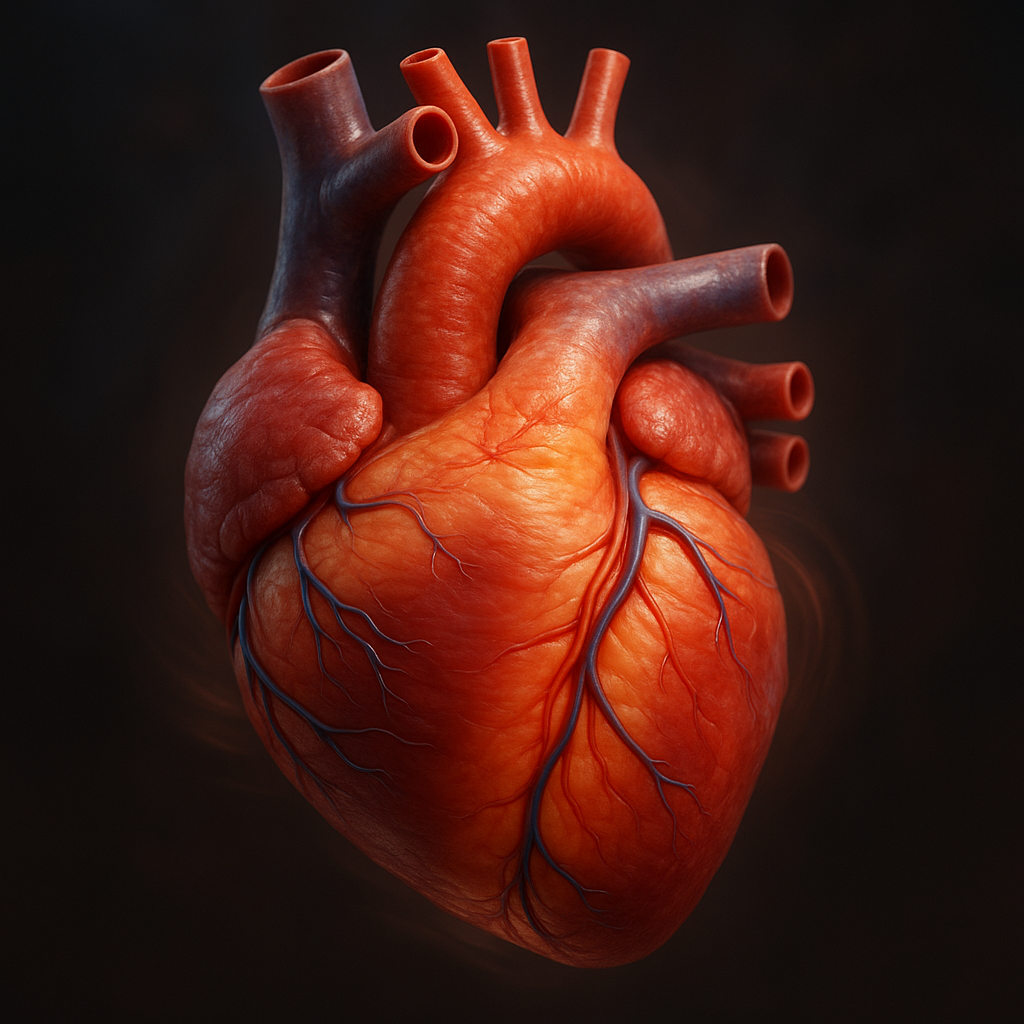
Heart disease has long been misunderstood as a “man’s disease”. This is a fatal misconception. In reality, heart disease kills nearly 50,000 more American women each year than men and is six times more likely to kill women than breast cancer.
For most women, nutrition is the single strongest tool for cardiovascular prevention.
The Insight: The Pregnancy & Heart Disease Link
In 2011, the American Heart Association presented new guidelines based on years of research. They established a clear link between a woman’s heart disease risk and pregnancy complications. Women who experience pre-eclampsia, gestational diabetes, or pregnancy-induced hypertension are at an increased risk for heart disease, diabetes, and metabolic syndrome later in life.
The Science: Whole Foods & Omega-3s
The benefits of omega-3s for heart health are well-documented. A recent study in the European Journal of Clinical Nutrition found that increased levels of omega-3s could significantly reduce a woman’s risk of heart failure. The data showed that even one portion of omega-3-rich fatty fish per week could reduce the risk by almost 30% compared to women who ate no fatty fish.
A “Heart Healthy” diet should be rich in whole foods, as highlighted in Dr. Louise Chang’s “24 Foods that can save your heart.” This list includes key foods like:
- Salmon & Tuna: For their heart-healthy omega-3 fatty acids.
- Whole Grains: For fiber, “good fats” (lipids), and sterols that help block cholesterol absorption.
- Black Beans: For folic acid, antioxidants, and fiber.
- Berries & Grapes: For their vascular-health-supporting antioxidants like resveratrol.
The Solution:
NeoLife’s Omega-3 Salmon Oil Plus (now Omega-3 Plus) is the perfect solution. It is backed by its own human clinical trial, which proved it could lower the inflammatory index by 68% and reduce triglycerides by 17% in just 8 weeks. It is also screened for over 200 contaminants, ensuring purity. Paired with Tre-en-en® (our whole-grain lipid and sterol supplement), it provides a powerful foundation for women’s heart health.
🔬 Weight Management: The Metabolic Keystone
Being overweight or obese is one of the largest health challenges confronting women. Nearly 64% of women in the U.S. are overweight or obese.
This isn’t just about weight; it’s about metabolic health. Evidence from the 16-year Nurse’s Health Study, which followed 84,000 women, found that being overweight or obese was the single most important predictor of developing diabetes. It also inhibits fertility and complicates pregnancies.
The Insight: High-Protein Diets & Probiotics
The key to weight management is a nutrient-rich diet, not a calorie-dense one.
- Protein: A 2007 Canadian study found that a high-protein diet was more effective for weight loss than a low-fat, high-carbohydrate diet. It was also better at improving body composition and risk factors for metabolic syndrome.
- Probiotics: Emerging science is showing a powerful link between gut bacteria and weight. Researchers in Finland administered supplements containing Lactobacillus and Bifidobacterium to pregnant women. A year after childbirth, these women had the lowest levels of central obesity and lowest body fat percentage compared to the placebo group .
The Solution:
NeoLifeShake is a high-protein, nutrient-rich shake clinically proven to support weight loss and reduce body fat. To address the new probiotic science, NeoLife’s Acidophilus Plus provides an exclusive blend of five beneficial bacteria, including the Lactobacillus and Bifidobacterium strains used in the study. It features our proprietary Gel-Gard enteric protection system, guaranteeing all 5 billion live microorganisms are delivered to the intestine.
🔬 Reproductive Health: Building the Next Generation
A recent review by the British Nutrition Foundation found that many women still lack key nutrients in their diets.
The top four deficiencies listed were: iron, vitamin D, calcium, and folate.
These gaps don’t just impact the woman; they directly impact the health of her children.
The Insight: The Mother’s Critical Nutrient Status
- Iron & Folic Acid: Maternal iron deficiency is a common issue, affecting almost 40% of women worldwide. A Johns Hopkins study found that prenatal supplementation with iron and folic acid reduced infant mortality and lowered the prevalence of low birth weight. The 2010 U.S. Dietary Guidelines recommend all women capable of becoming pregnant consume 400 mcg of folic acid per day.
- Omega-3s: Long acknowledged as critical for fetal brain and vision development, a new study also found that mothers with the highest prenatal omega-3 status had children with a lower probability of childhood obesity.
- Vitamin D: This may be the most critical insight. A mother’s vitamin D status during pregnancy is essential for the fetus to accumulate calcium. Research shows that if a mother is deficient, post-natal (after birth) supplementation for the infant cannot fully restore optimal bone health status. The foundation must be set during pregnancy.
The Solution:
NeoLife’s Formula IV is an ideal foundational supplement for women in their reproductive years. It is specifically cited as delivering a wide array of essential micronutrients, including iron, 400 IU of vitamin D, and 400 mcg of folic acid—addressing three of the four top deficiency concerns in one formula. Paired with Omega-3 Salmon Oil Plus, it creates a comprehensive nutritional support system for both mother and baby.
🔬 Bone Health: A Lifelong Priority
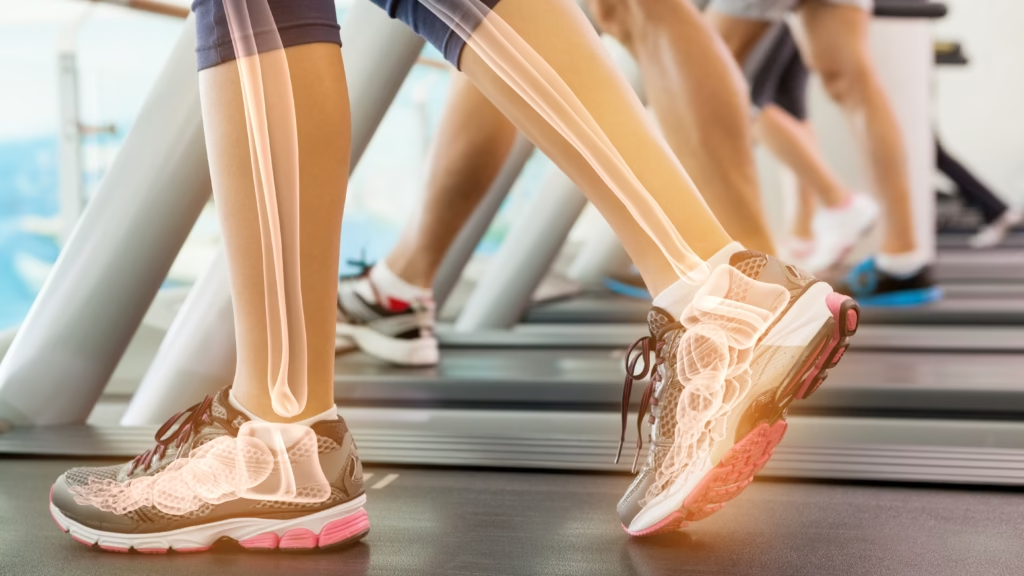
Osteoporosis, a condition of low bone mass, has long been known as a major concern for women. Women are four times more likely to develop the condition than men, and an estimated one out of every two women aged 50 or older will have an osteoporosis-related fracture in their lifetime.
The Insight: The Critical “Bone-Building” Window
This is not just a post-menopausal issue. The foundation for lifelong bone health is built decades earlier. An incredible 85-90% of adult bone mass is acquired during puberty.
The Science: Calcium & Vitamin D
It is never too soon or too late to support your bones.
- For Teens: A randomized, placebo-controlled trial on identical twins (ages 9-13) found that supplementation with calcium and vitamin D significantly increased bone density, growth, and strength.
- For Adults: New research has confirmed that calcium and vitamin D are also effective for improving bone health in postmenopausal women.
The Solution:
NeoLife’s Chelated Cal-Mag is a superior choice for bone support. It provides highly bioavailable calcium and magnesium, and its recommended serving includes 1000 IU of vitamin D3—a potent dose designed to help support optimal bone mass at any age. Get the science here.
🩺 Science Over Shelf Hype
Most $15 drugstore “women’s” vitamins rely on synthetic isolates, poor absorption, and zero traceability. They offer a one-size-fits-all “solution” to complex, gender-specific problems.
NeoLife’s Women’s Health Range is different — whole-food based, clinically validated, and made to pharmaceutical-grade standards. Each formula is traceable from farm to capsule, with proven bioavailability in human studies.
If you’re done gambling with generic bottles, start choosing real nutrition your body recognizes.
👉 Explore NeoLife’s Women’s Health Range — Omega-3 Plus, Chelated Cal-Mag-(Get The Science), Formula IV-(See The Science), and Acidophilus Plus-(Get The Science)— where purity meets clinical proof.
🔗 Also read:
- The Science of Heart Healthy Supplements: A Deeper Look at What Really Works.
- How Phytonutrient Science Helps Maintain Healthy Blood Sugar Balance Naturally.
- Healthy Weight Control: New Science on Brown Fat, Low-GI Eating, Protein Breakfasts & Sleep.
- Omega-3 and Mental Wellness: How Nutrition, Movement, and Mindset Strengthen the Brain.
References
- Levitan EB, et al. Fatty fish, marine omega-3 fatty acids and incidence of heart failure. Eur J Clin Nutr. 2010 Jun 64(6):587-94.
- Chang L, et al. 24 Foods that can save your heart. WebMD; 2010 Nov.
- Kulie T, et al. Obesity and Women’s Health: An Evidence-Based Review. J Am Board of Fam Med; 2011 Feb; 24(1):75-8.
- U.S. Department of Agriculture and U.S. Department of Health and Human Services. Dietary Guidelines for Americans, 2010. 7th edition, Washington DC: U.S. Government Printing Office, Dec 2010.
- Meckling KA, et al. A randomized trial of a hypocaloric high-protein diet, with and without exercise, on weight loss, fitness, and markers of the Metabolic Syndrome in overweight and obese women. Appl Physiol Nutr Metab. 2007 Aug:32(4):743-52.
- European Congress on Obesity. Thursday, 7 May 2009 Kirsi Laitinen et al.
- Santacruz A, et al. Gut microbiota composition is associated with body weight, weight gain and biochemical parameters in pregnant women. Br J Nutr. 2010 Jul 104(1):83-92.
- Ruxton CHS, et al. Women’s diet quality in the UK. Nutrition Bulletin. 20May2010: 35(2): 126-137.
- Finch SL, et al. Postnatal vitamin D supplementation following maternal dietary vitamin D deficiency does not affect bone mass in weanling guinea pigs. J Nutr. 2010 Sep 140(9):1574-81.
- Christian P, et al. Antenatal and Postnatal Iron Supplementation and Childhood Mortality in Rural Nepal… Am J of Epid. 2009 Sep 170 (9): 1127-1136.
- Jacques C, et al. Long-term effects of prenatal omega-3 fatty acid intake on visual function in school-age children. J Pediatr. 2011 Jan:158(1):83-90, 90.e1.
- Donahue SM, et al. Prenatal fatty acid status and child adiposity at age 3 y: results from a US pregnancy cohort. Am J Clin Nutr. 2011 Feb 10.
- National institute of arthritis and musculoskeletal and skin diseases (NIAMS). NIH Osteoporosis and Related Bone Diseases National Resource Center.
- National Osteoporosis Foundation. Fast Facts. Washington DC.
- Greene DA, et al. Calcium and vitamin-D supplementation on bone structural properties in peripubertal female identical twins: a randomized controlled trial. Osteoporos Int. 2011 Feb 22(2):489-98.
- Tenta R, et al. Calcium and vitamin D supplementation through fortified dairy products counterbalances seasonal variations of bone metabolism indices: the Postmenopausal Health Study. Eur J Nutr. 2010 Dec 14.
Pingback: What is the Best Vitamin D Supplement? A Science-Backed Guide
Pingback: Best Magnesium Supplement for Women: An Evidence-Based Guide
Pingback: The Best Probiotics For Men and Women : A Science-Backed Guide to Quality & Safety